Understanding the Allopurinol Category: Key Features and Common Working Principles
The Allopurinol category encompasses a range of pharmaceuticals designed to manage and treat conditions related to excess uric acid production, particularly gout and certain types of kidney stones. The primary active ingredient, Allopurinol, functions by inhibiting the enzyme xanthine oxidase, a crucial component in the metabolic pathway of purines. This inhibition reduces the production of uric acid, consequently alleviating symptoms associated with hyperuricemia and preventing gout attacks by lowering uric acid levels in the bloodstream.
One of the key features common across all products in this category is their effectiveness in addressing gout flare-ups and chronic hyperuricemia. Patients often experience painful and debilitating symptoms due to elevated uric acid levels, and Allopurinol serves to mitigate these effects over time. It allows for a significant reduction in the frequency and severity of gout attacks, thus improving the overall quality of life for patients. Additionally, the formulation of Allopurinol is strategically developed to ensure prolonged efficacy while minimizing the risk of side effects associated with uric acid accumulation.
Forms and Types of Products in the Category
Products in the Allopurinol category are primarily available in two forms: oral tablets and injectable solutions. The most common presentation is the oral tablet, which is typically available in various dosages to accommodate the specific needs of patients. These tablets are designed for convenient daily use, allowing for flexible dosing schedules based on individual treatment plans.
For patients who may have difficulty swallowing tablets or who require rapid intervention, injectable formulations are also available. These solutions are often used in hospital settings for immediate management of acute conditions related to severe hyperuricemia. This diversity in presentation and formulation ensures that there is an appropriate option for every patient's circumstance, enhancing adherence to treatment regimens.
Differences from Other Categories and Unique Benefits of Allopurinol
Allopurinol products stand out significantly compared to other therapeutic categories primarily due to their specific indication. While many medications address various symptoms of pain or inflammation, Allopurinol targets the underlying cause of gout and elevated uric acid levels. Unlike corticosteroids or non-steroidal anti-inflammatory drugs (NSAIDs), which may temporarily relieve symptoms, Allopurinol works to re-establish normal uric acid levels and prevent future occurrences of gout attacks.
This mechanism highlights why users should consider Allopurinol for their specific needs. The long-term management of hyperuricemia through Allopurinol not only mitigates immediate discomfort but also protects against potential joint damage and kidney complications that excessive uric acid can cause. Furthermore, the safety profile of Allopurinol, when used as directed, underscores its efficacy compared to alternative treatment options that may carry more significant risks of side effects or dependency.
Long-Term Effects and Contraindications
The long-term use of Allopurinol has been associated with substantial benefits, including a decreased frequency of gout attacks, reduction in serum uric acid levels, and prevention of related complications such as tophi formation or kidney stones. However, prospective users should be aware of specific contraindications and potential risks associated with Allopurinol therapy. Individuals with a known hypersensitivity to Allopurinol should refrain from using it, as severe allergic reactions can occur.
Additionally, pregnant women and nursing mothers are generally advised against using these products due to insufficient data regarding safety during pregnancy and lactation. Special caution should also be exercised in patients with certain medical conditions such as severe liver or kidney impairment, as this may influence the metabolism and clearance of Allopurinol, increasing the risk of adverse effects. Therefore, consulting with a healthcare professional before starting treatment is essential to ensure safe and effective use.
Practical Advice for Choosing and Using Allopurinol Products
When considering the use of Allopurinol products, it is crucial to consult with a healthcare provider to determine the appropriate dosage and formulation based on your specific needs. Starting with a lower dose may be recommended to assess tolerance, especially for those who are new to this therapy. Regular monitoring of uric acid levels is essential to ensure that the medication effectively manages your condition and to make any necessary adjustments to the dosage.
Always adhere to the prescribed regimen and avoid abrupt discontinuation of Allopurinol, as this could precipitate an acute gout attack. Additionally, lifestyle modifications—including dietary changes and hydration—should be considered complementary to medication for optimal management of uric acid levels. Educating yourself about potential side effects and symptoms of allergic reactions ensures you remain vigilant during your treatment journey.
By making informed decisions and maintaining open communication with your healthcare provider, you can effectively incorporate Allopurinol into your treatment plan, ultimately enhancing your overall well-being and quality of life.
Allopurinol in Deutschland preis - LegalSteroidsSale
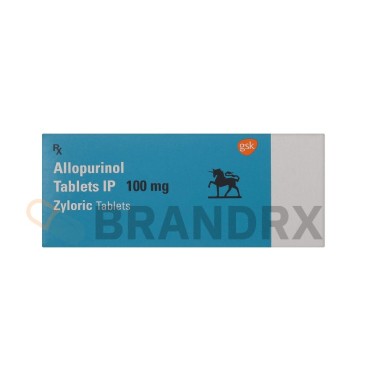
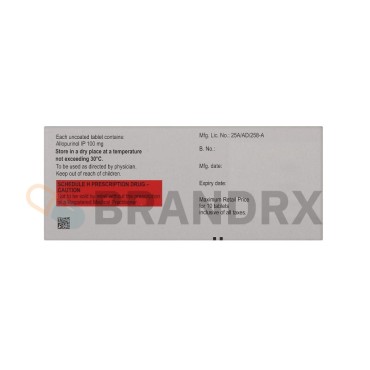
| US Glaxosmithkline Zyloric Online |
6.00€ |
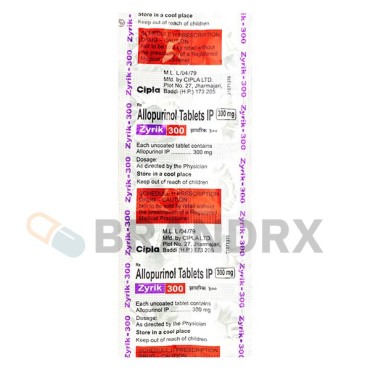
| US Cipla Zyrik Online |
8.00€ |
Häufig gestellte Fragen (FAQ) - Allopurinol
Wir arbeiten nur mit vertrauenswürdigen Pharmaherstellern zusammen, zum Beispiel: Glaxosmithkline, Cipla.
Sie können Allopurinol in Budget-Optionen für nur 6.00€ bis zu Premium-Optionen für 8.00€ kaufen.
Im Jahr 2026 sind die beliebtesten Produkte im Bereich Allopurinol:
- US Glaxosmithkline Zyloric Online
- US Cipla Zyrik Online