
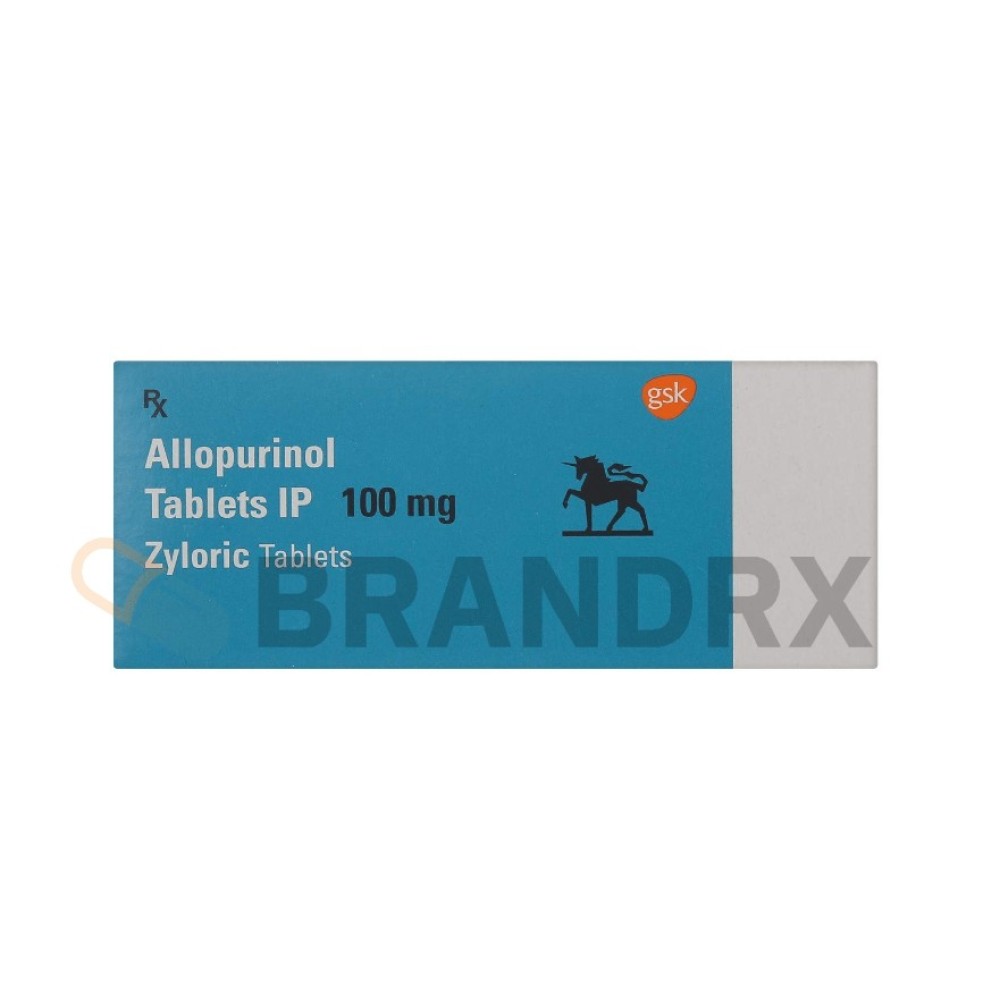
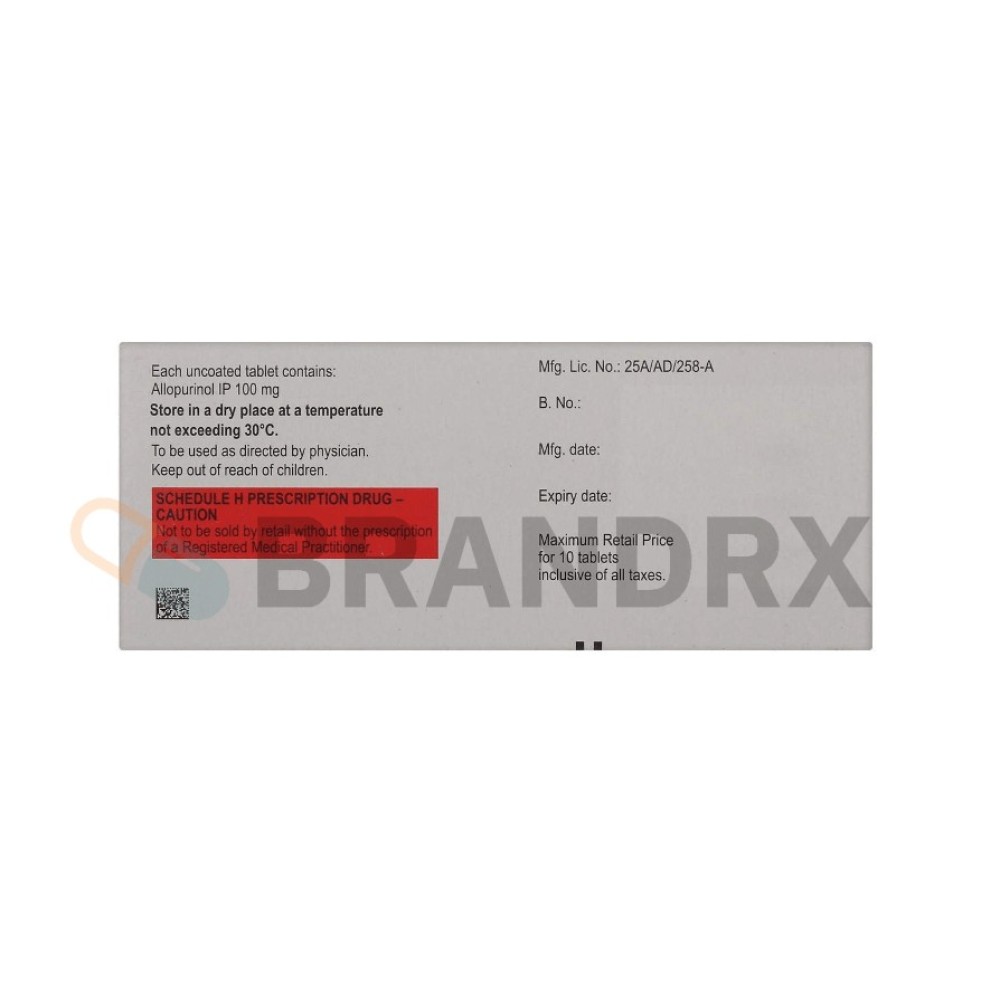
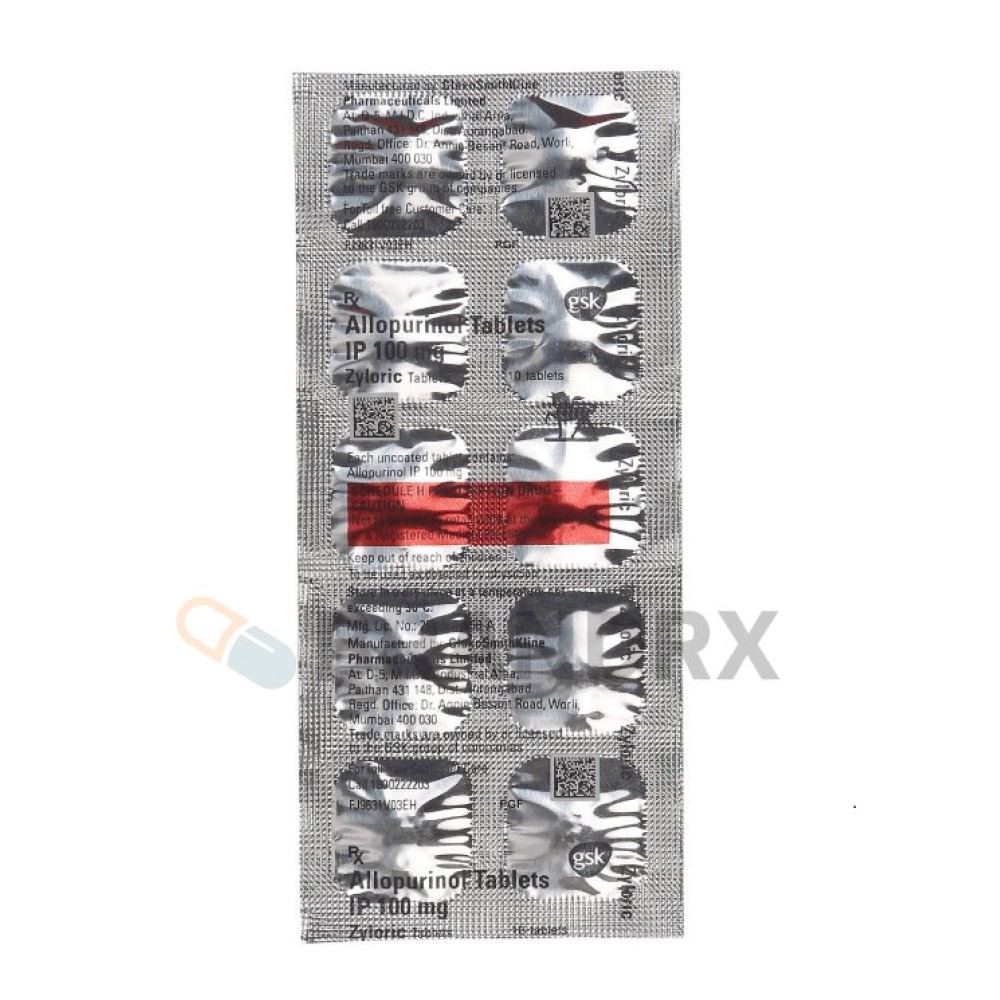
Zyloric 100 mg Glaxosmithkline: Overview and Purpose
Zyloric 100 mg Glaxosmithkline is a pharmaceutical medication primarily used for the management of certain conditions related to uric acid levels in the body. This medication contains the active ingredient allopurinol, which plays a crucial role in inhibiting the production of uric acid. Uric acid is a waste product formed when the body breaks down purines, substances found in various foods. Elevated levels of uric acid can lead to conditions such as gout and kidney stones, causing severe pain and discomfort. Therefore, Zyloric 100 mg serves as a vital solution for individuals struggling with these health issues.
The primary objective of Zyloric 100 mg Glaxosmithkline is to lower uric acid levels in patients who may be predisposed to gout attacks and other related complications. By doing so, the drug alleviates symptoms related to high uric acid levels and helps enhance the quality of life for those affected by these conditions. Regular use of Zyloric can prevent gout flares and reduce the risk of developing kidney stones, thus addressing essential health needs for affected individuals.
Intended Users and Context of Use
Zyloric 100 mg is intended for adults who experience conditions associated with high uric acid levels, particularly those diagnosed with gout or those who have a history of kidney stones. The target audience primarily consists of individuals over the age of 18, as this drug is not typically recommended for children or adolescents. It is crucial for users to consult with a healthcare provider or specialist before initiating treatment with Zyloric. This ensures that the medication is appropriate for their specific circumstances and that potential side effects are managed effectively.
Moreover, there are several contraindications for the use of Zyloric 100 mg Glaxosmithkline. The medication should not be used by pregnant women or nursing mothers due to potential risks to the fetus or infant. Individuals with certain medical conditions, such as severe kidney problems or those who have experienced allergic reactions to allopurinol in the past, should also avoid this medication. Additionally, people scheduled for surgery should inform their healthcare provider about their Zyloric use, as the drug may affect certain medical interventions.
Key Benefits of Zyloric 100 mg Glaxosmithkline
Zyloric 100 mg Glaxosmithkline offers numerous benefits for individuals managing high uric acid levels, particularly those with gout or recurrent kidney stones. The medication stands out for its effective formulation that enables patients to manage their condition effectively. Below are some of the main benefits and groups of individuals for whom Zyloric is especially suitable:
- Patients suffering from recurrent gout attacks wishing to prevent symptoms and manage flare-ups.
- Individuals with elevated uric acid levels seeking to maintain a healthier balance and reduce long-term complications.
- People experiencing kidney stones that can be attributed to uric acid build-up in the body.
- Individuals who need a proactive approach to managing their health conditions to prevent further deterioration.
The versatility of Zyloric 100 mg Glaxosmithkline makes it a go-to option for many individuals navigating the complexities of hyperuricemia and its related health challenges.
The Core Value of Zyloric 100 mg Glaxosmithkline
The key benefit and core value of Zyloric 100 mg Glaxosmithkline lie in its ability to enhance the quality of life for individuals suffering from high uric acid levels. By effectively lowering uric acid production, Zyloric allows patients to move beyond the discomfort associated with gout and kidney stones. This medication empowers users to engage in their daily activities without the burden of pain or anxiety related to their conditions. Ultimately, Zyloric serves as a vital resource for those seeking a sustainable solution to manage their uric acid levels, contributing significantly to overall well-being.
In conclusion, Zyloric 100 mg Glaxosmithkline is a podiatric medication designed to address the needs of individuals with elevated uric acid levels. Its proven effectiveness, when used under medical supervision, makes it a vital component in the management of gout and related conditions.
| Features | |
| Active substance | Allopurinol |
| Also known as | Allopurinol |
| Blood pressure | No significant effect |
| Chemical name | 1H-pyrazolo[3,4-d]pyrimidin-4-ol |
| Dosage (medical) | Typically 100-300 mg daily, may be increased to 600 mg daily in severe cases |
| Dosage (sports) | Not applicable |
| Effects | Lowers serum and urinary uric acid levels |
| Formula | C5H4N4O |
| Half-life | 1 to 2 hours |
| Hepatotoxicity | Rare but possible liver enzyme abnormalities |
| Lab Test | Uric acid levels |
| Main action | Reduces uric acid production |
| Side effects | Rash, Stevens-Johnson syndrome, gastrointestinal disturbance, liver enzyme abnormalities |
| Storage conditions | Store at room temperature away from moisture and heat |
| Strength | 100mg |
| Substance class | Xanthine oxidase inhibitor |
| Trade name | Zyloprim, Aloprim |
| Use in sports | Not typically used in sports |
| Water Retention | No significant effect |
| Manufacturer | GlaxoSmithKline |
| Packing | 10 tabs/blister |
-
6.00€
| Brand: | Glaxosmithkline |
|---|---|
| Product Code: | EU14697 |
| Availability: | Out of stock |