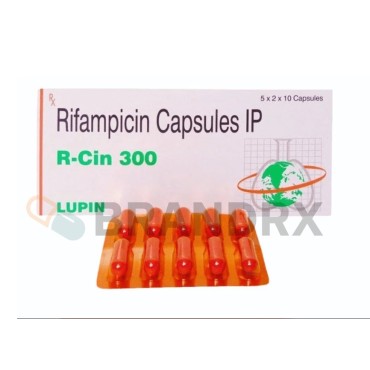
Define Rifampicin as a product category and explain its general purpose
Rifampicin is a potent antibiotic primarily utilized in the treatment of bacterial infections, notably those caused by Mycobacterium tuberculosis, the bacteria responsible for tuberculosis (TB). Classified as a member of the rifamycin group of antibiotics, Rifampicin functions by inhibiting bacterial RNA synthesis, thereby hampering the growth and reproduction of bacteria. Its unique mechanism of action makes it a crucial component in the management of tuberculosis, especially in cases that are resistant to other forms of treatment.
In addition to its hallmark application in treating TB, Rifampicin also plays a role in the treatment of other bacterial infections, including but not limited to leprosy, and certain staphylococcal infections. Furthermore, it is sometimes used in combination with other drugs to enhance therapeutic effects and to prevent the development of antibiotic resistance. This versatility underscores the importance of understanding Rifampicin as not only a single treatment option, but a vital component of a broader antibiotic arsenal used in modern medicine.
Describe how Rifampicin fits into broader product ecosystems or treatment strategies
The role of Rifampicin extends beyond its individual use, as it is a critical player within the broader ecosystems of treatment strategies for infectious diseases. In the realm of tuberculosis management, it is often paired with other first-line drugs, such as isoniazid, pyrazinamide, and ethambutol, creating a multi-faceted treatment approach aimed at maximizing efficacy while minimizing the chances of developing drug-resistant strains of bacteria.
This synergy between Rifampicin and other antibiotics is essential for managing not only TB but various other bacterial infections. In immunocompromised patients, where the risk of developing severe infections is heightened, the consumption of Rifampicin as part of a combination therapy can provide stronger outcomes than relying on single-drug treatments. Thus, understanding Rifampicin's role within these ecosystems is vital for both health care professionals and patients, allowing for more informed treatment choices.
Explain the advantages users typically expect from this category
When considering Rifampicin as part of a treatment plan, users often expect several advantages that enhance its appeal as a therapeutic option. Here are some of the key benefits typically associated with Rifampicin:
- Broad-Spectrum Efficacy: Rifampicin is effective against a variety of bacterial infections, making it a versatile choice.
- Rapid Action: Many users experience a reduction in symptoms within days of starting the medication, providing quick relief from bacterial infections.
- Combination Use: Its compatibility with other antibiotics enables healthcare providers to design effective combination therapies that address multi-drug resistant infections.
- Prevention of Disease: Rifampicin plays a role in prophylactic treatments, reducing the risk of spreading infections like tuberculosis.
- Well-Studied History: With decades of use, Rifampicin has a well-documented safety and efficacy profile, leading to greater confidence among healthcare providers and patients.
Discuss risks, precautions, and contraindications for use
While Rifampicin offers substantial benefits, it is important to be aware of the risks and precautions associated with its use. Potential side effects can range from mild to severe, including but not limited to gastrointestinal disturbances, liver function abnormalities, and hypersensitivity reactions. These risks necessitate careful monitoring by healthcare providers.
Patients taking Rifampicin should be mindful of possible drug interactions, particularly with medications that affect liver enzymes, as Rifampicin can alter the metabolism of various drugs. It is crucial to provide healthcare professionals with a complete list of medications being taken to prevent adverse interactions. Additionally, individuals with preexisting liver conditions or those who are pregnant or breastfeeding should consult their healthcare providers before starting treatment, as these factors can significantly impact the drug's safety profile.
Conclude with guidance on how users should approach understanding and exploring the Rifampicin category responsibly
In summary, understanding Rifampicin as a product category entails recognizing its significance in the treatment of serious bacterial infections, particularly tuberculosis. Users are encouraged to approach this category with a responsible mindset (including an awareness of both benefits and risks) and a focus on communication with healthcare professionals. It is vital to discuss any concerns, side effects, or experiences while on this medication to ensure safe and effective treatment outcomes.
As you explore the possibilities that Rifampicin offers, be diligent in maintaining open dialogue with your healthcare provider. Staying informed about the latest research, guidelines, and best practices regarding its use can empower patients to make informed choices while mitigating the risks associated with antibiotic treatments. Ultimately, an informed and proactive approach is essential to ensuring the safe and effective use of Rifampicin in managing bacterial infections.
Rifampicin in Deutschland preis - LegalSteroidsSale
| US Lupin R-Cin Online |
9.00€ |
Häufig gestellte Fragen (FAQ) - Rifampicin
Wir arbeiten nur mit vertrauenswürdigen Pharmaherstellern zusammen, zum Beispiel: Lupin.
Sie können Rifampicin in Budget-Optionen für nur 9.00€ bis zu Premium-Optionen für 9.00€ kaufen.
Im Jahr 2026 sind die beliebtesten Produkte im Bereich Rifampicin: