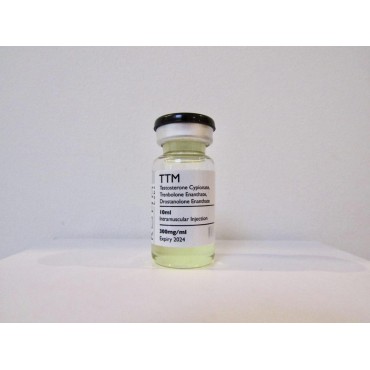
Tetrathiomolybdate: A Comprehensive Overview
Tetrathiomolybdate is a unique and valuable compound utilized primarily for its ability to chelate copper ions, playing a pivotal role in managing metal toxicity and promoting metabolic health. As a transition metal complex, Tetrathiomolybdate assists in various biochemical processes, offering therapeutic applications that span across diverse medical fields. Its main purpose is to inhibit copper absorption in the body, making it an essential component in treatment strategies for conditions associated with copper overload, such as Wilson's disease. This functionality also provides potential benefits in the realm of cancer therapy, hepatic disorders, and other metabolic conditions where copper dysregulation is implicated.
Third-Party Users and Applications
The typical users of Tetrathiomolybdate include healthcare professionals, researchers, and patients dealing with specific medical conditions requiring effective copper management. Medical practitioners, particularly those in fields like internal medicine, neurology, and oncology, often administer Tetrathiomolybdate as part of a broader therapeutic regimen. Patients suffering from genetic conditions, including Wilson's disease, can significantly benefit from treatments that include this compound. Additionally, researchers explore its applications in studying the metabolic roles of copper and its systemic effects. Institutions focusing on toxicology and environmental health also utilize Tetrathiomolybdate in experimentation and treatments to mitigate heavy metal exposure and toxicity.
Distinctive Features of Tetrathiomolybdate
Tetrathiomolybdate stands out in its category due to several strengths and unique characteristics that differentiate it from other chelating agents. Unlike traditional chelators, Tetrathiomolybdate has a higher specificity for copper ions, making it particularly effective for conditions where copper management is critical. Its aqueous solubility allows for versatile formulation options, including oral and intravenous administration, enhancing its usability in clinical settings. Moreover, it has a favorable safety profile compared to other metal chelators, reducing the risk of adverse reactions often associated with prolonged treatments. The efficacy of Tetrathiomolybdate in modulating copper levels also extends to its potential antioxidant properties, which may offer additional protective effects against oxidative stress. These distinctive features highlight Tetrathiomolybdate’s importance in medical treatments, especially where precise copper control is necessary.
Benefits of Tetrathiomolybdate
The benefits of Tetrathiomolybdate extend beyond its primary function of copper chelation, making it a valuable option in various therapeutic applications. Key advantages include:
- Effective reduction of copper levels in patients with Wilson's disease, improving metabolic regulation.
- Enhanced safety profile compared to other chelating agents, minimizing the risk of toxicity.
- Versatile applicability in both oral and intravenous formulations, catering to diverse patient needs.
- Potential antioxidant effects that help reduce oxidative stress, offering additional health benefits.
- Support in research and clinical studies related to heavy metal toxicity and metabolic disorders.
These advantages contribute to Tetrathiomolybdate's increasing significance in medical treatments focused on metal management, showcasing its multifaceted potential in improving patient outcomes.
Important Considerations for Tetrathiomolybdate Use
Before choosing products containing Tetrathiomolybdate, it is crucial to consider several important factors, including contraindications and potential side effects. Patients should be aware that Tetrathiomolybdate may not be suitable for individuals with hypersensitivity to the compound or its components. Additionally, interactions with other medications or underlying health conditions should be evaluated to avoid adverse effects or diminished efficacy. Regular monitoring of copper levels during treatment is advisable to ensure optimal therapeutic outcomes and to avoid potential deficiencies caused by over-chelation. Patients are encouraged to consult healthcare providers to gain a comprehensive understanding of the risks involved and to tailor treatment plans that suit their individual health needs. This careful consideration underscores the importance of professional guidance throughout the treatment process.
Tetrathiomolybdate in Deutschland preis - LegalSteroidsSale
| US TTM Pharmaceutical Online |
54.00€ |
Häufig gestellte Fragen (FAQ) - Tetrathiomolybdate
Wir arbeiten nur mit vertrauenswürdigen Pharmaherstellern zusammen, zum Beispiel: Pharmaceutical Company.
Sie können Tetrathiomolybdate in Budget-Optionen für nur 54.00€ bis zu Premium-Optionen für 54.00€ kaufen.
Im Jahr 2026 sind die beliebtesten Produkte im Bereich Tetrathiomolybdate:
- US TTM Pharmaceutical Online