Understanding Potassium Chloride: A Unifying Chemical Compound
Potassium chloride is a versatile inorganic compound that serves as a primary ingredient in various applications, uniting all products in this category. It is a colorless, odorless, and crystalline solid that tends to dissolve easily in water. This property makes it a popular choice across different sectors. Commonly, potassium chloride is utilized for its key role in replenishing potassium levels in the body, thus impacting cellular function and overall health. It operates by providing a source of potassium ions, essential for numerous physiological processes including nerve function, muscle contraction, and heart rhythm regulation.
The effectiveness of potassium chloride stems from its ability to directly supply an essential mineral that may be lacking in one’s diet. Products derived from potassium chloride maintain certain common characteristics, including high purity, solubility, and effectiveness in delivering potassium. These factors make potassium chloride a preferred option for various nutritional, industrial, and agricultural applications. By keeping the fundamental properties consistent, manufacturers ensure that products remain reliable and effective, catering to the diverse needs of consumers and industries alike.
Formats and Types of Potassium Chloride Products
Products in the potassium chloride category come in an array of formats and types, catering to different user preferences and applications. The most common forms include crystalline powder, granules, and pellets, each designed for specific use cases. The crystalline powder is often preferred for medical formulations and dietary supplements, while granules are widely utilized in both agricultural fertilizers and food processing. Pellets represent another popular form, particularly in industrial applications where controlled release is necessary.
Additionally, potassium chloride can be found in various concentrations to suit consumer needs ranging from healthcare to agriculture. For instance, dietary supplements may contain lower concentrations conducive for daily intake, whereas industrial applications might involve higher concentration formulations to meet specific requirements. Furthermore, potassium chloride is available in both organic and synthetic forms, allowing users to select a product line that aligns with their values, whether they prioritize natural sourcing or cost-effective manufacturing.
Potassium Chloride vs. Other Related Categories
When considering potassium chloride, it's essential to recognize its unique advantages over other related products, such as sodium chloride or other potassium salts. Unlike sodium chloride, which can contribute to hypertension and cardiovascular issues, potassium chloride provides an effective means of replenishing essential potassium levels without the adverse effects associated with sodium. This makes it particularly attractive for individuals seeking healthier alternatives in their diets or for those needing potassium supplements.
Moreover, while other potassium salts can exist in the marketplace, potassium chloride is distinguished by its high solubility and bioavailability, ensuring more efficient absorption in biological systems. Users are often encouraged to consider potassium chloride due to its broad use in medical applications, sporting activities, and as an essential element in plant nutrition. Its specific physiological benefits, coupled with its versatility, set it apart from its alternatives.
Long-Term Effects and Considerations Regarding Potassium Chloride
Using potassium chloride can yield several long-term benefits, particularly for those with potassium deficiencies or specific health conditions, such as hypertension, kidney problems, or particular muscular disorders. Regular monitoring and supplementation can help to maintain optimal potassium levels, thereby enhancing overall health and wellness. However, it is crucial to take note of users for whom potassium chloride may not be suitable.
Contraindications for potassium chloride use include pregnant women, children, and individuals with certain medical conditions such as hyperkalemia (excess potassium in the blood) or chronic kidney issues. It is highly recommended that individuals consult with healthcare professionals before starting any potassium chloride regimen to avoid possible adverse effects. When used correctly, potassium chloride can play a significant role in promoting health and stability for those in need.
Practical Advice for Selecting and Using Potassium Chloride Products
Choosing the right product from the potassium chloride category requires careful consideration of various factors. Firstly, identify the specific application for potassium chloride—be it for dietary supplementation, agricultural use, or industrial purposes. Understanding the goal will help narrow down the options. Secondly, review the product labels to inspect the concentration and form, ensuring they meet your requirements. Look for products with properly indicated purity levels and certifications to ensure quality.
Once chosen, it is crucial to follow usage instructions closely to achieve the desired outcomes while minimizing risks. For dietary use, adhering to recommended dosages is essential for safety. In agricultural contexts, understanding the application rates for fertilizers is vital. Additionally, it's also wise to consider consulting with health or agricultural experts to optimize your potassium chloride usage effectively. By informed selection and appropriate application, individuals can harness the benefits of potassium chloride confidently.
Potassium chloride in Deutschland preis - LegalSteroidsSale
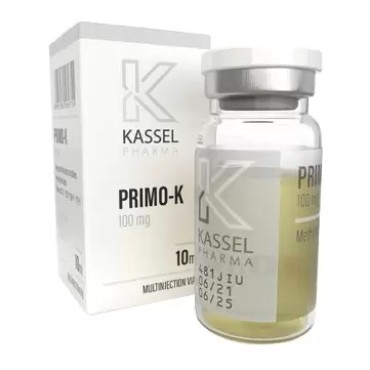
| US KASSEL PRIMO - K Online |
117.00€ |
Häufig gestellte Fragen (FAQ) - Potassium chloride
Wir arbeiten nur mit vertrauenswürdigen Pharmaherstellern zusammen, zum Beispiel: KASSEL.
Sie können Potassium chloride in Budget-Optionen für nur 117.00€ bis zu Premium-Optionen für 117.00€ kaufen.
Im Jahr 2026 sind die beliebtesten Produkte im Bereich Potassium chloride:
- US KASSEL PRIMO - K Online