Properties of Cypilos 250 mg Driada Medical and its practical value Cypilos 250 mg Driada Medical is..

63.00€
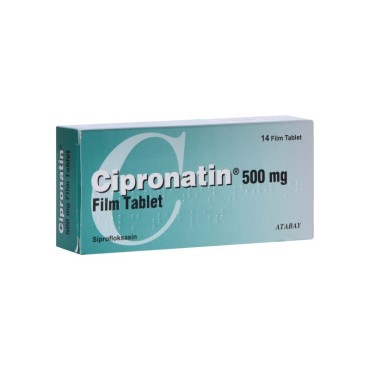
US ATABAY Cipronatin 500 Online Out of stock

Overview of Cipronatin 500 ATABAY and its main properties Cipronatin 500 ATABAY is a pharmaceutical ..

69.00€
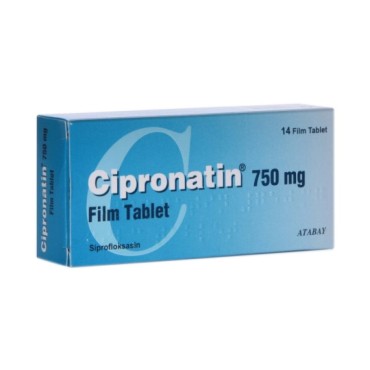
US ATABAY Cipronatin 750 Online Out of stock

Cipronatin 750 ATABAY: An Overview Cipronatin 750 ATABAY is a pharmaceutical product that falls with..

69.00€
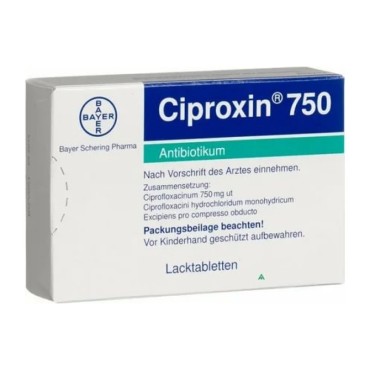
US Bayer Ciproxin 750 Online Out of stock

Ciproxin 750 Bayer: Addressing Common Bacterial Infections Ciproxin 750 Bayer is a highly effective ..

69.00€

US Bilim ENFEXIA Online Out of stock

Overview of ENFEXIA 500 mg Bilim and its main properties ENFEXIA 500 mg Bilim is a pharmaceutical p..

69.00€
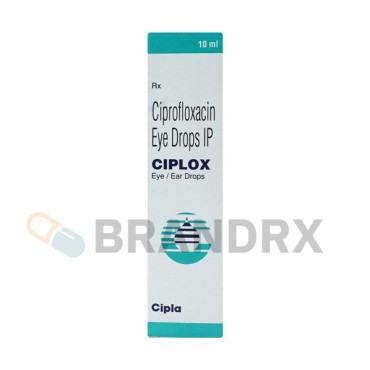
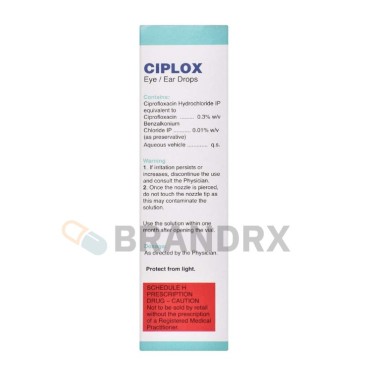
US Cipla Ciplox Eye/Ear Drops 0.3% Online US Cipla Ciplox Eye/Ear Drops 0.3% Online Out of stock

Ciplox Eye/Ear Drops 0.3% Cipla: An Overview Ciplox Eye/Ear Drops 0.3% Cipla is a specialized pharma..

69.00€
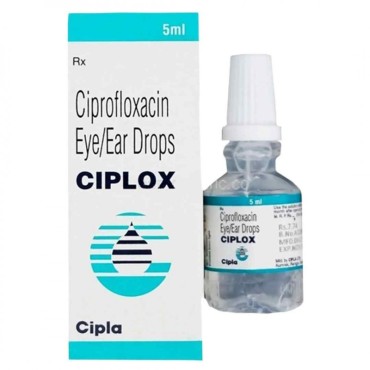
US Cipla Ciplox Eye/Ear Drops Online Out of stock

Importance of Ciplox Eye/Ear Drops in Sports Nutrition In the world of sports, athletes are always o..

132.00€
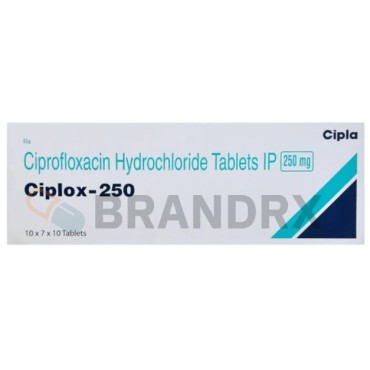
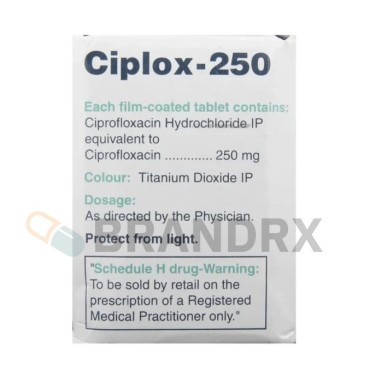
US Cipla Ciplox Online US Cipla Ciplox Online Out of stock

Key features of Ciplox 250 mg Cipla and its advantages Ciplox 250 mg Cipla is a pharmaceutical pro..

69.00€
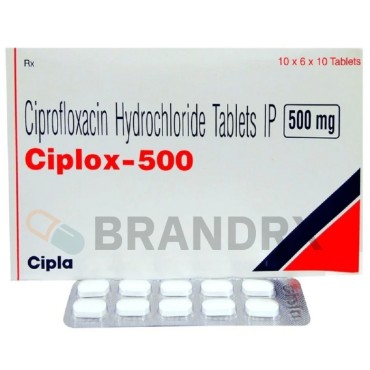
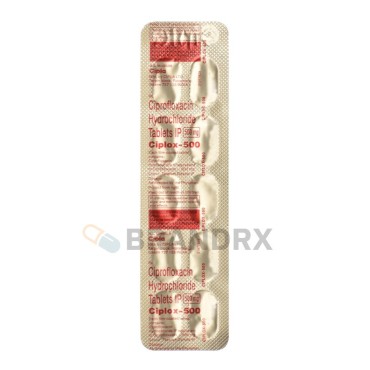
US Cipla Ciplox Online US Cipla Ciplox Online Out of stock

Key features of Ciplox 500 mg Cipla and its advantages Ciplox 500 mg Cipla is a pharmaceutical prod..

69.00€

US Driada Medical CYPILOS AMP Online Out of stock

CYPILOS AMP Driada Medical: Understanding Its Role in Sports Pharmacology CYPILOS AMP Driada Medical..

69.00€
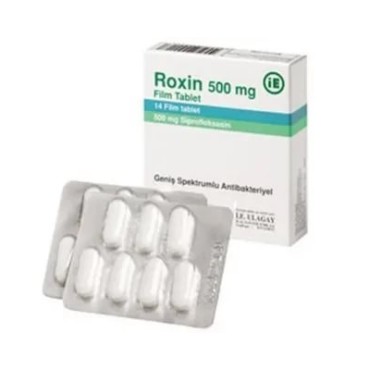
US Ibrahim Etem Roxin 500 Online Out of stock

Roxin 500 Ibrahim Etem: Overview and Main Function Roxin 500 Ibrahim Etem is a potent and effective ..

69.00€
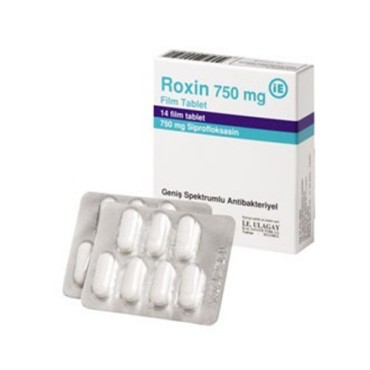
US Ibrahim Etem Roxin 750 Online Out of stock

Key features of Roxin 750 Ibrahim Etem and its advantages Roxin 750 Ibrahim Etem is a prominent pha..

69.00€

Showing 1 to 12 of 12 (1 Pages)

Antibacterial drugs: Understanding the Category and Its Main Purpose

Antibacterial drugs are a critical category of pharmaceuticals designed to combat bacterial infections. These medications play a vital role in public health by effectively treating various infections caused by bacteria, from mild ailments to severe conditions. The primary purpose of antibacterial drugs is to destroy or inhibit the growth of bacteria, thereby alleviating symptoms and preventing the spread of infections. As one of the earliest and most widely used forms of antimicrobial therapy, these drugs have significantly reduced morbidity and mortality rates associated with bacterial diseases.

They can be categorized into several classes based on their mechanism of action or chemical structure, including penicillins, cephalosporins, macrolides, and aminoglycosides, among others. Each class has specific traits that may make it more suitable for treating certain strains of bacteria or types of infections. As the field of medicine evolves and bacteria develop resistance, understanding the variances within antibacterial drugs is crucial for effective treatment outcomes.

Typical Users and Contexts for Antibacterial Drugs

Antibacterial drugs are utilized by a diverse group of users, reflecting various contexts in which they are applicable. This range includes healthcare professionals, such as doctors and pharmacists, who prescribe and dispense these medications to patients suffering from bacterial infections. Typical users can also include veterinarians, who use these drugs in treating animals, thereby ensuring both animal health and public safety, especially in livestock.

Patients seeking treatment for infections like pneumonia, urinary tract infections, skin infections, or sepsis are also among the primary users. Moreover, antibacterial drugs are frequently administered in hospital settings, where healthcare providers must act quickly to address acute bacterial infections. In preventive medicine, these drugs may be employed during surgical procedures or for patients with compromised immune systems to avoid the risk of post-operative infections.

Additionally, the rise of outpatient care facilities has led to a significant increase in access to antibacterial medications. This accessibility allows for early intervention and helps to halt the progression of bacterial infections. Overall, the variety of users and contexts underscores the essential role that antibacterial drugs play in modern medicine.

The Strengths and Distinguishing Characteristics of Antibacterial Drugs

Antibacterial drugs exhibit numerous strengths and distinguishing characteristics that set them apart from other classes of antimicrobial agents, such as antifungals and antivirals. First and foremost is their specificity in targeting bacterial pathogens while minimizing harm to human cells. This targeted approach is crucial for effectively managing various infections without causing additional complications.

Secondly, the vast array of available antibacterial drugs allows for tailored treatments based on the type of infection and its causative bacteria. For instance, certain drugs may be preferred for resistant strains or specific infections, enhancing the chances of successful treatment outcomes.

Another distinctive characteristic of antibacterial drugs is their established history in clinical use. Many of these medications have been in practice for decades, supported by extensive research, clinical trials, and documented outcomes. This wealth of knowledge informs medical professionals when selecting appropriate treatment regimens.

Further, antibacterial drugs can be classified into broad-spectrum or narrow-spectrum categories, adding another layer of distinction. Broad-spectrum antibacterial drugs are effective against a wide range of bacteria, making them useful in empirical therapy when specific bacteria are unknown. Narrow-spectrum drugs, on the other hand, are specifically targeted, reducing the risk of disrupting the body's normal flora. This classification aids healthcare providers in making informed decisions on the most effective treatment options available.

Key Advantages of Antibacterial Drugs

The use of antibacterial drugs offers a range of significant benefits, which can enhance patient outcomes and improve overall public health. Understanding these advantages is essential for healthcare providers and patients alike. Here is a summary of key benefits:

  1. Effective treatment of bacterial infections, leading to symptom relief and recovery.
  2. Reduction of infection spread within communities, enhancing public health efforts.
  3. Availability of various formulations (oral, intravenous, topical) for diverse treatment scenarios.
  4. Ability to prevent postoperative infections, contributing to safer surgical outcomes.
  5. Support for patients with weakened immune systems through prophylactic therapy.

These advantages make antibacterial drugs indispensable in the management of infectious diseases. However, their use must be integrated with careful consideration to prevent issues such as antibiotic resistance.

Important Considerations Before Choosing Antibacterial Drugs

While antibacterial drugs are beneficial, certain important considerations must be taken into account prior to their selection and use. Understanding these aspects helps reduce the risk of adverse effects and ensures the medications are used effectively and safely. First and foremost, it is crucial to be aware of any existing contraindications or potential interactions with other medications a patient is taking.

Healthcare providers must conduct thorough assessments of patient medical history, including any allergies, renal or hepatic impairment, or prior adverse reactions to antibacterial drugs. Specific populations, such as pregnant or nursing women, may require particular attention due to possible fetal or infant risks.

Monitoring is vital to assess the effectiveness of the treatment and to make necessary adjustments if a patient exhibits no signs of improvement or experiences side effects. Laboratory testing may be essential to identify the specific bacteria causing an infection, allowing for targeted therapy and reducing the use of broad-spectrum antibiotics, thus combating the growing concern of antibiotic resistance.

In summary, while antibacterial drugs are a cornerstone of medical treatment for bacterial infections, practitioners and patients must approach their use with careful consideration to utilize their benefits fully while mitigating risks.

Antibacterial drugs in Deutschland preis - LegalSteroidsSale

US Cipla Ciplox Eye/Ear Drops Online 132.00€
US Driada Medical CYPILOS AMP Online 69.00€
US Driada Medical Cypilos Online 63.00€
US Bayer Ciproxin 750 Online 69.00€
US Cipla Ciplox Online 69.00€

Häufig gestellte Fragen (FAQ) - Antibacterial drugs

text_title
Evan
02/04/2026 05:19:13
Great results for my brother; really helps with recovery.