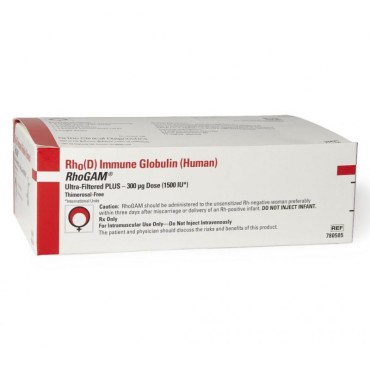
Define Rho(D) Immune Globulin as a product category and explain its general purpose
Rho(D) Immune Globulin is a crucial product category within the realm of immunotherapy and transfusion medicine. It is primarily utilized to prevent Rh immunization in Rh-negative individuals, especially pregnant women. Its general purpose lies in safeguarding both the mother and the fetus from Rh incompatibility complications, which can lead to serious health issues such as hemolytic disease of the newborn (HDN). The administration of Rho(D) Immune Globulin effectively neutralizes antibodies that may develop against Rh-positive blood cells, ultimately playing a preventative role in maternal-fetal medicine.
The product works by providing passive immunity; when administered, it contains specific antibodies that target the D antigen found on red blood cells. If an Rh-negative individual is exposed to Rh-positive blood, these antibodies act quickly to bind to the Rh-positive cells, preventing the mother’s immune system from recognizing them as foreign. In doing so, Rho(D) Immune Globulin helps maintain a healthy pregnancy and reduces the risk of complications during childbirth.
Describe how Rho(D) Immune Globulin fits into broader product ecosystems or treatment strategies
Rho(D) Immune Globulin is not just a standalone product; it integrates seamlessly into a larger ecosystem of maternal care practices and therapeutic strategies. This category is part of a comprehensive approach involving prenatal care, blood typing, and immunization screening. The effective management of Rh incompatibility requires collaboration between obstetricians, hematologists, and neonatologists to ensure that both mothers and newborns receive the necessary support.
In the broader treatment strategy, Rho(D) Immune Globulin fits alongside other immunoglobulin therapies and transfusion-related protocols. Its use signifies an understanding of the importance of identifying risk factors early in pregnancy. For instance, routine blood testing is performed to determine the Rh status of mothers-to-be. If an Rh-negative status is identified, proactive measures, including administration of Rho(D) Immune Globulin at specific intervals, become part of the treatment plan.
This integrated approach not only fosters maternal health but also enhances neonatal outcomes, as timely interventions minimize the risk of HDN and the need for more invasive treatments post-delivery. Furthermore, the product is part of guidelines in several professional medical organizations, underscoring its role in standard care practices.
Explain the advantages users typically expect from this category
The advantages of Rho(D) Immune Globulin are multi-faceted and critical for the safety and health of both mother and child. Users typically expect the following benefits:
- Prevention of Rh incompatibility: Administering Rho(D) Immune Globulin prevents the development of Rh antibodies in Rh-negative mothers.
- Reduction in hemolytic disease of the newborn: The product significantly lowers the incidence of HDN, ensuring better health outcomes for newborns.
- Minimized need for exchange transfusions: Effective administration leads to a reduced requirement for complex procedures to manage severe cases of HDN.
- Enhancement of maternal-fetal relationships: By reducing complications linked to immunization, Rho(D) Immune Globulin fosters healthier pregnancies.
- Clinically endorsed protocols: Its use is supported by established medical guidelines, ensuring consistency and safety in maternal care.
Discuss risks, precautions, and contraindications for use
While Rho(D) Immune Globulin is generally considered safe for use, there are inherent risks and precautions that must be taken into account. Potential side effects can range from mild to serious. Common side effects include injection site reactions, such as soreness and redness. However, more severe reactions, including allergic responses, may occur, albeit rarely. Individuals with a history of severe allergic reactions to immunoglobulin products should use this treatment with caution.
Moreover, certain precautions must be observed. It is crucial for medical professionals to verify the Rh status of the patient, as the product is intended solely for Rh-negative individuals exposed to Rh-positive blood. Misadministration may lead to reduced efficacy or safety concerns. Additionally, Rho(D) Immune Globulin should not be used in cases of immune thrombocytopenic purpura (ITP) without careful monitoring due to potential complications.
Patients should also inform healthcare providers of their comprehensive medical history, including any previous transfusion reactions and current medications, to ensure a safe treatment course. Understanding these risks is essential for responsible usage, ensuring that both maternal and fetal health remains the priority.
Conclude with guidance on how users should approach understanding and exploring the Rho(D) Immune Globulin category responsibly
In conclusion, understanding Rho(D) Immune Globulin requires a careful and informed approach. Individuals and healthcare professionals must prioritize education about the importance of this product category in preventing Rh incompatibility and ensuring safer pregnancies and deliveries. Users should engage in open discussions with qualified healthcare providers to clarify any uncertainties surrounding the treatment and the associated protocols.
Furthermore, it is recommended that users stay informed about the latest research and guidelines related to maternal-fetal medicine and immunoprophylaxis. Exploring resources from established health organizations, consulting medical literature, and attending professional seminars can contribute significantly to a comprehensive understanding of Rho(D) Immune Globulin. By adopting a discerning and proactive attitude towards this vital treatment category, users can explore its benefits while maintaining mindfulness of its risks and proper application in clinical practices.
Rho(D) Immune Globulin in Deutschland preis - LegalSteroidsSale
| US Hemat Rhogam Anti-D Online |
579.00€ |
Häufig gestellte Fragen (FAQ) - Rho(D) Immune Globulin
Wir arbeiten nur mit vertrauenswürdigen Pharmaherstellern zusammen, zum Beispiel: Hemat.
Sie können Rho(D) Immune Globulin in Budget-Optionen für nur 579.00€ bis zu Premium-Optionen für 579.00€ kaufen.
Im Jahr 2026 sind die beliebtesten Produkte im Bereich Rho(D) Immune Globulin:
- US Hemat Rhogam Anti-D Online