
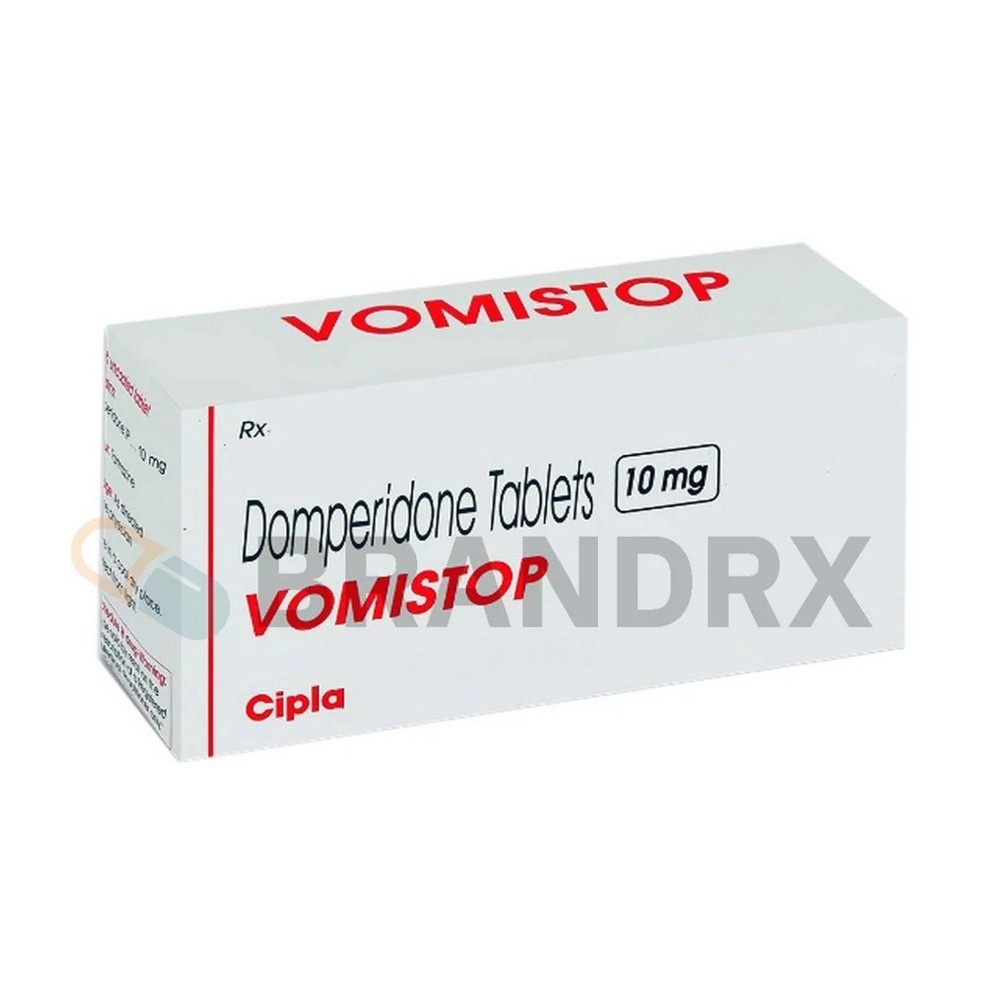
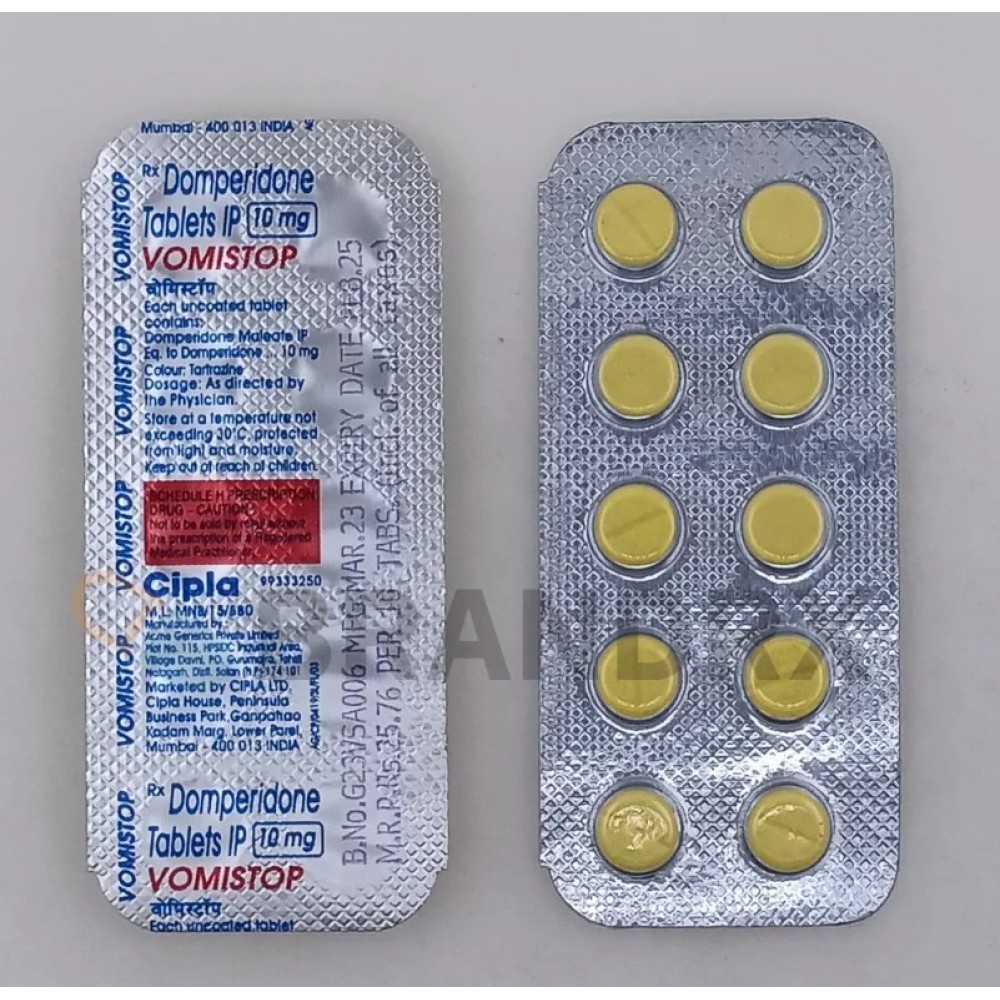
Understanding Vomistop 10 mg Cipla: Its Mechanism and Key Features
Vomistop 10 mg Cipla is a prominent medication that is primarily used to alleviate nausea and vomiting. This pharmaceutical product operates through its active ingredient, Ondansetron, which belongs to a class of drugs known as 5-HT3 receptor antagonists. By blocking serotonin, a neurotransmitter that can trigger nausea and vomiting, Vomistop effectively prevents these symptoms, providing relief to patients undergoing various treatments such as chemotherapy, surgery, or experiencing conditions like gastroenteritis.
The key characteristics of Vomistop 10 mg Cipla include its rapid onset of action and its efficacy in managing acute episodes of nausea. It is well-regarded for its safety profile and is often prescribed for both adult and pediatric populations. Additionally, Vomistop is available in various forms, thereby accommodating different patient needs and preferences.
Forms and Presentation of Vomistop 10 mg Cipla
Vomistop 10 mg Cipla is most commonly available in tablet form, allowing for oral intake, which is convenient for patients. These tablets are typically scored, making them easy to split for dose adjustments if necessary. Apart from oral tablets, Vomistop may also be available in injectable forms, providing an option for patients who have difficulty swallowing or require immediate relief. This versatility in presentation ensures that medical practitioners can tailor treatment based on the specific circumstances and preferences of individuals.
Why Choose Vomistop 10 mg Cipla Over Other Treatments?
When comparing Vomistop 10 mg Cipla to other antiemetic medications, several differentiating factors emerge. One of the most significant advantages of Vomistop is its relatively quick onset of action, often producing effects within 30 minutes to an hour after administration. In contrast, other antiemetics might take longer to be effective, which can be a crucial factor for patients seeking immediate relief.
Moreover, Vomistop has been recognized for its favorable side effect profile. Many patients report fewer side effects such as drowsiness compared to traditional antiemetics. This is particularly beneficial for individuals who need to maintain daily routines without the sedative effects commonly associated with other nausea treatments. Patients dealing with nausea due to cancer chemotherapy treatments often find that Vomistop provides a higher level of efficacy, making it a preferred choice in medical settings.
Long-Term Use, Effects, and Contraindications of Vomistop 10 mg Cipla
Considering long-term use of Vomistop 10 mg Cipla, it is essential to note that while the medication can be effective for chronic conditions, patients should always consult with healthcare providers regarding its extended use. Some individuals may experience tolerance, resulting in diminished effectiveness over time. Furthermore, there are certain contraindications associated with Vomistop that must be acknowledged.
This medication may not be suitable for people with hypersensitivity to Ondansetron or any other components of the formulation. Pregnant women and breastfeeding mothers should also approach this medication with caution, as the effects on fetal development and nursing infants are not fully understood. Additionally, individuals with specific medical conditions such as liver impairment should consult a healthcare professional before starting the treatment to prevent potential adverse effects.
Practical Considerations for Starting Vomistop 10 mg Cipla
For those considering the use of Vomistop 10 mg Cipla, it is advisable to follow these practical steps to ensure safe and effective treatment. First and foremost, consult with a healthcare professional to determine if this medication is appropriate based on individual health history and any concurrent medications being taken. It is also important to adhere to the prescribed dosage and schedule, as taking more than recommended can lead to complications.
When starting treatment, keep a detailed record of symptoms to identify patterns or triggers that might benefit from using Vomistop. Patients should also stay informed about possible side effects and communicate any unusual reactions to their healthcare provider promptly. Finally, maintain an open dialogue with medical professionals about the effectiveness of Vomistop 10 mg Cipla and any necessary adjustments in treatment to ensure optimal care and support in managing nausea and vomiting.
| Features | |
| Also known as | Domperidone Maleate |
| Blood pressure | Does not typically affect blood pressure |
| Chemical name | 5-Chloro-1-[1-[3-(2,3-dihydro-2-oxo-1H-benzimidazol-1-yl)propyl]-4-piperidyl]-1,3-dihydro-2H-benzimidazol-2-one |
| Dosage (medical) | 10 mg three to four times daily before meals and at bedtime |
| Dosage (sports) | Not applicable |
| Effects | Enhances gastrointestinal motility, increases lower esophageal sphincter pressure, facilitates gastric emptying |
| Formula | C22H24ClN5O2 |
| Half-life | 7 to 9 hours |
| Hepatotoxicity | Rare, but cases of serious liver injury have been reported |
| Lab Test | Not typically monitored via lab tests in clinical settings |
| Main action | Antiemetic and gastroprokinetic agent |
| Side effects | Dry mouth, abdominal cramps, dizziness, headache, somnolence |
| Storage conditions | Store at room temperature, protect from light |
| Strength | 10 mg |
| Substance class | Dopamine antagonist |
| Trade name | Motilium, among others |
| Use in sports | Not typically used in sports |
| Water Retention | No significant water retention |
| Manufacturer | Cipla |
-
7.00€
| Brand: | Cipla |
|---|---|
| Product Code: | EU12289 |
| Availability: | Out of stock |