
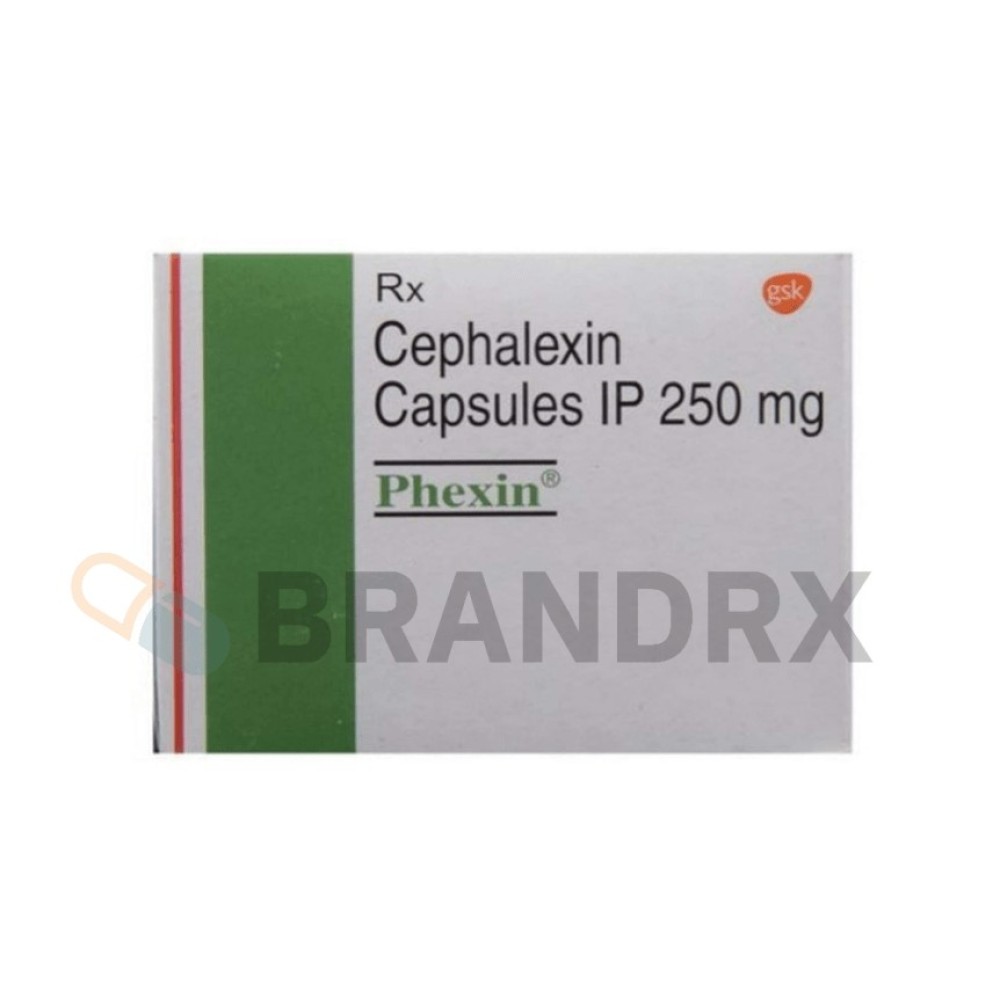
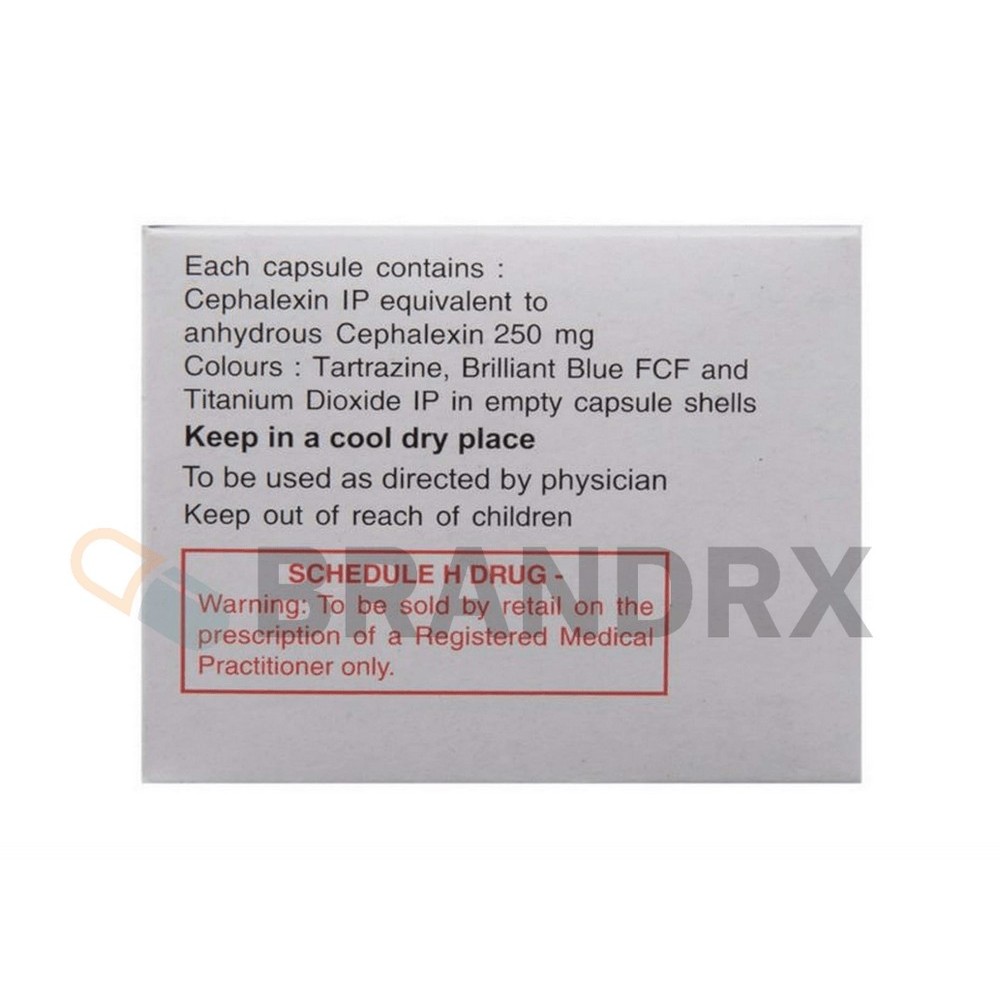
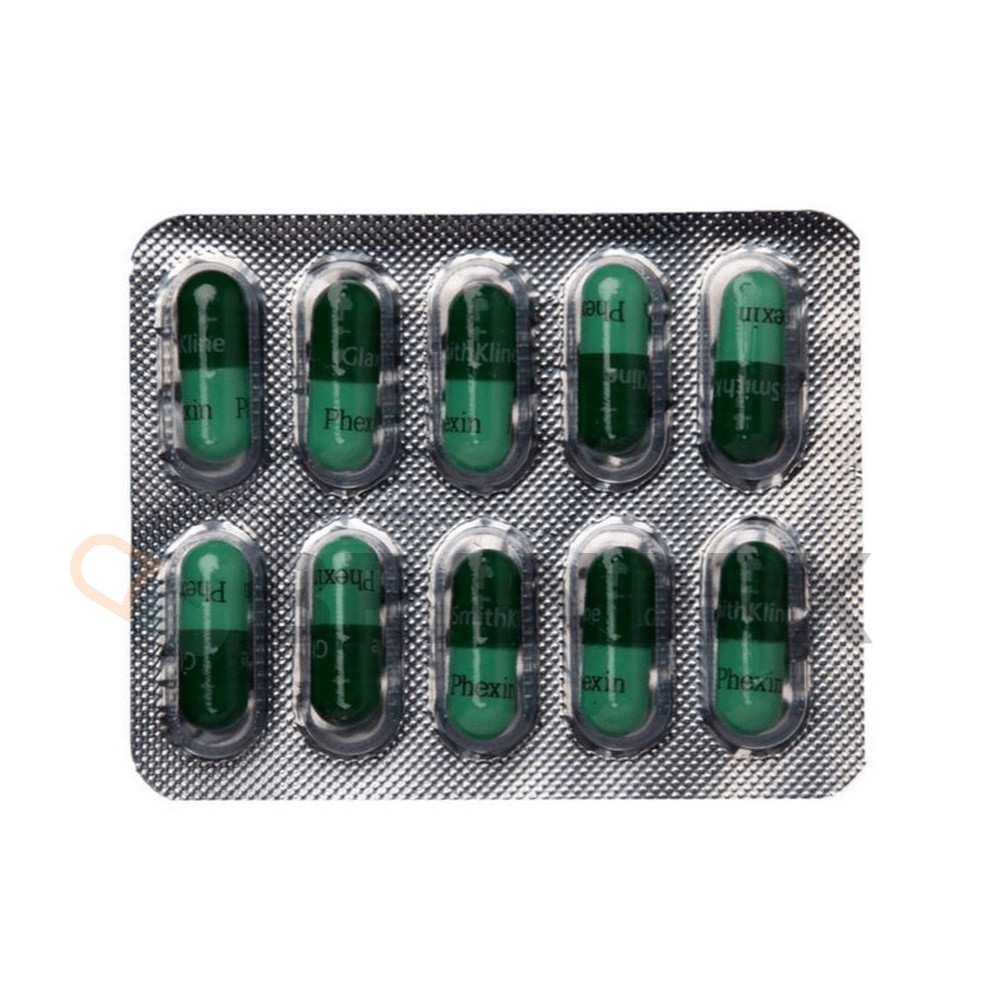
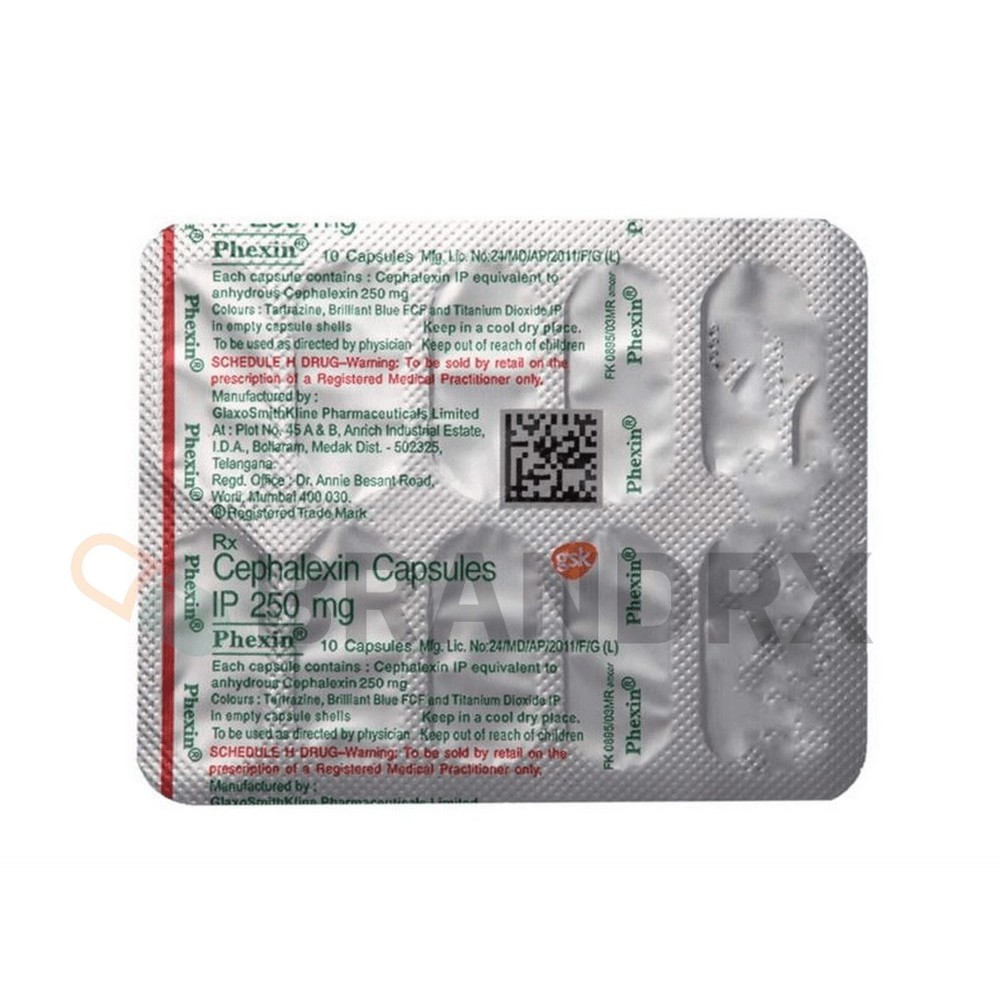
Phexin 250 mg Glaxosmithkline: A Comprehensive Overview
Phexin 250 mg Glaxosmithkline is a prescription medication primarily used for the treatment of various bacterial infections. This antibiotic belongs to the penicillin group and is specifically formulated to combat infections caused by susceptible bacteria. The active ingredient in Phexin is amoxicillin, which works by inhibiting the growth of bacteria by interfering with their cell wall synthesis. The result is the effective eradication of harmful bacterial strains, making it a vital option in antimicrobial therapy. Phexin is indicated for conditions such as respiratory tract infections, urinary tract infections, and skin infections, among others. Understanding its purpose and mechanism is essential for health professionals prescribing this medication, as well as for patients seeking effective treatment options.
Typical Users and Contexts for Phexin 250 mg
Phexin 250 mg Glaxosmithkline is typically prescribed to a wide range of patients, including children and adults, who are diagnosed with bacterial infections. It is particularly valuable in outpatient settings and primary care clinics, where doctors encounter patients suffering from conditions like otitis media, pneumonia, and various skin infections. Health care providers may prescribe Phexin to patients of all ages, but particular caution is exercised when administering it to pediatric patients due to their unique metabolic rates and potential for different side effects. Additionally, dental procedures that may expose patients to bacteria can also result in the use of Phexin as a prophylactic measure to prevent infection.
Phexin is prescribed in various healthcare environments, including hospitals, general practices, and urgent care facilities. Its broad-spectrum activity makes it a first-line option for many clinicians as it can address a wide variety of infections while being relatively well-tolerated. Given its effectiveness against certain strains of bacteria, its ease of administration, often found in oral suspension or tablet form, adds to its appeal among users and healthcare professionals alike.
Strengths and Distinguishing Characteristics of Phexin 250 mg Glaxosmithkline
When compared to other antibiotic options, Phexin 250 mg Glaxosmithkline possesses distinct strengths that set it apart. One of the primary characteristics of Phexin is its effectiveness against a broad spectrum of bacteria. This includes both Gram-positive and some Gram-negative bacteria, making it versatile for treating multiple infections. In addition, Phexin is generally well-absorbed in the gastrointestinal tract, leading to high bioavailability, ensuring that effective levels of the drug can reach the infection site swiftly.
Additionally, the formulation of Phexin also contributes to its user-friendly profile. The availability of a pediatric suspension version allows for easier dosing and administration in children, which is a crucial consideration in pediatric care. Moreover, unlike some antibiotics that require intravenous administration, Phexin can be conveniently taken orally, making it more appealing for outpatient treatment and encouraging patient compliance.
When assessing concerns about antibiotic resistance, Phexin has been established as a controlled option, as it is still effective against many strains that have developed resistance to other antibiotics. Such characteristics make Phexin a go-to choice for many healthcare providers when prescribing an antibiotic regimen.
Benefits of Phexin 250 mg Glaxosmithkline
Phexin 250 mg Glaxosmithkline offers numerous benefits that enhance its usability and effectiveness in treating bacterial infections. Here are the key advantages of using Phexin:
- Broad-spectrum antibiotic activity, effective against various bacteria.
- High bioavailability ensures efficient treatment of infections.
- Convenient oral administration form, promoting patient compliance.
- Available in a pediatric formulation, facilitating safe use in children.
- Minimal side effects in the majority of users, making it a safe option.
- Proven effectiveness in treating recurrent infections.
- Lower incidence of adverse drug interactions compared to other antibiotics.
- Cost-effective treatment option accessible for most patients.
These benefits illustrate why Phexin is commonly favored by healthcare providers for managing bacterial infections, leading to favorable treatment outcomes for patients.
Important Considerations Before Use of Phexin 250 mg Glaxosmithkline
Before initiating treatment with Phexin 250 mg Glaxosmithkline, there are key considerations and contraindications that patients should be aware of. It is imperative for users to disclose their complete medical history to their healthcare provider, particularly any history of allergic reactions to penicillins or other antibiotics, as this could lead to serious reactions. Patients with renal impairment should use Phexin cautiously, and dosage adjustments may be necessary to avoid complications.
Pregnant or nursing women should consult their healthcare provider before taking this medication, as the effects on the fetus or nursing infant have to be carefully evaluated. Additionally, it is important to note that while Phexin is effective against certain bacterial infections, it is not suitable for viral infections such as the common cold or flu.
Overall, responsible use of Phexin 250 mg Glaxosmithkline involves thorough consultation with healthcare professionals to ensure safety and efficacy while avoiding unnecessary complications or adverse effects.
| Features | |
| Active substance | Cephalexin |
| Also known as | Cephalexin |
| Blood pressure | No significant impact |
| Chemical name | (6R,7R)-3-Methyl-7-[(R)-2-amino-2-(4-hydroxyphenyl)acetamido]-8-oxo-5-thia-1-azabicyclo[4.2.0]oct-2-ene-2-carboxylic acid |
| Dosage (medical) | Typically 250 mg to 500 mg every 6 hours or 500 mg every 12 hours, depending on the severity of the infection |
| Dosage (sports) | Not applicable |
| Effects | Effective against bacterial infections, particularly in skin, bone, and urinary tract infections |
| Formula | C16H17N3O4S |
| Half-life | Approximately 1 hour |
| Hepatotoxicity | Rare |
| Lab Test | No specific lab test influenced by this drug |
| Main action | Bactericidal, inhibits bacterial cell wall synthesis |
| Side effects | Diarrhea, nausea, vomiting, rash, and allergic reactions |
| Storage conditions | Store at room temperature, away from moisture and heat |
| Strength | 250mg |
| Substance class | Antibiotic, specifically a first-generation cephalosporin |
| Trade name | Keflex, others |
| Use in sports | Not typically used in sports, no performance-enhancing effects |
| Water Retention | No significant effect |
| Manufacturer | GlaxoSmithKline |
| Packing | 10 caps/blister |
-
9.00€
| Brand: | Glaxosmithkline |
|---|---|
| Product Code: | EU14500 |
| Availability: | Out of stock |