
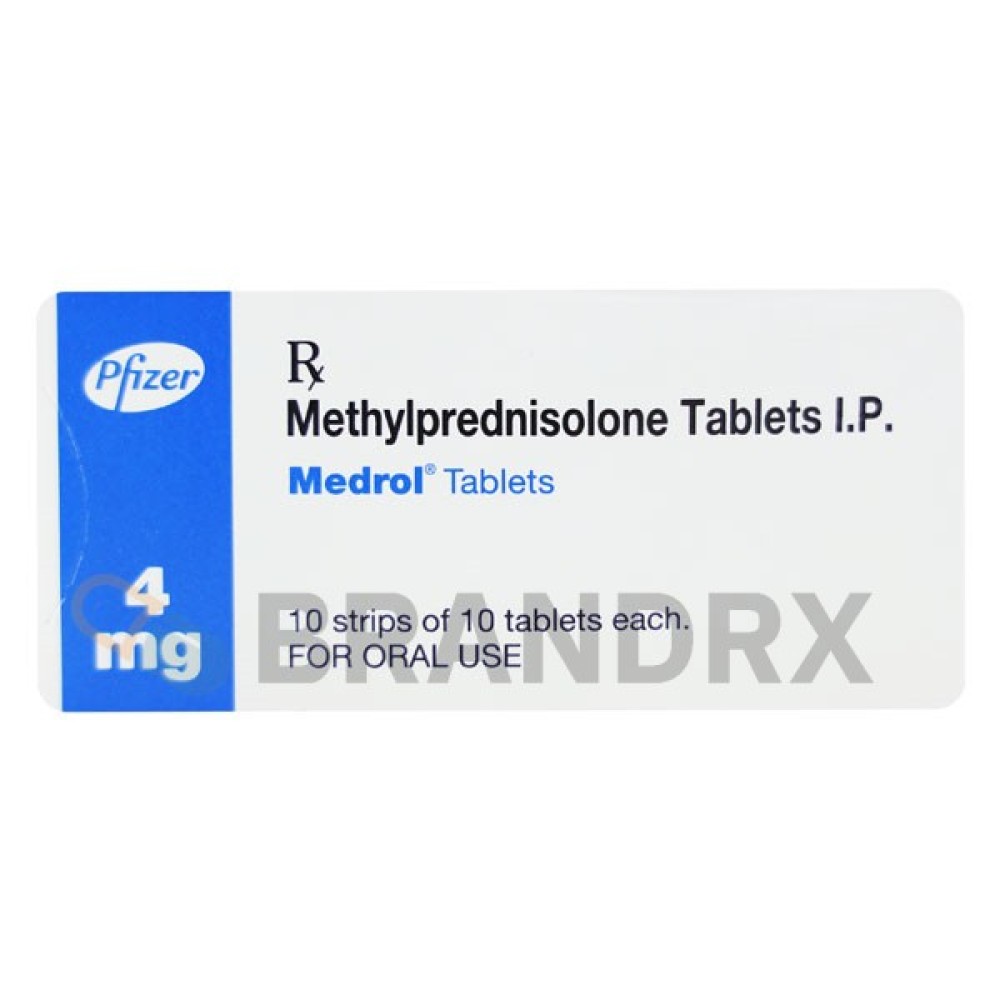
Medrol 4 mg Pfizer role in sports pharmacology
Medrol 4 mg Pfizer is a prescription medication that contains the active ingredient methylprednisolone, a corticosteroid medication widely used in various medical fields. In sports pharmacology, Medrol is primarily employed for its anti-inflammatory and immunosuppressive properties, making it a significant player in managing acute injuries, chronic conditions, and various disorders that can impair athletic performance. Athletes may utilize Medrol to quickly reduce inflammation, alleviate pain, and promote recovery during training or competition. It is crucial to understand its role and relevance to utilize it safely and effectively.
Medrol works by mimicking the effects of hormones that are naturally produced by the adrenal glands. It reduces inflammation by inhibiting immune responses and decreasing the release of substances that lead to inflammation. While it can be beneficial for recovery, it is also associated with potential risks, including side effects that can be detrimental to an athlete's health and performance if misused. Due to these implications, careful consideration of dosage and administration is essential, especially in sports settings where regulations may apply.
Dosage scheme and optimal use
The dosage of Medrol 4 mg Pfizer can vary widely based on the condition being treated, the patient's overall health, and specific medical considerations. Typically, the medication is taken orally, with or without food, and the initial dosage is often higher, slowly tapering down based on the desired therapeutic effect and response to treatment. It is vital to follow a physician’s prescription to achieve optimal results while minimizing unwanted side effects.
For athletes, the timing of medication intake can also pose significance. Athletes may need to time their doses strategically around training and competition schedules to maximize the benefits while navigating any potential performance implications. Overall, a healthcare professional will assess individual needs, monitor progress, and adjust dosages accordingly to maintain both health and competitive capability.
Main benefits of Medrol 4 mg Pfizer
One of the primary advantages of Medrol 4 mg Pfizer in the sports arena is its ability to effectively manage inflammation, which can be particularly useful in cases of injury or chronic conditions. The core benefits of using Medrol include:
- Rapid reduction in inflammation and pain relief
- Improved recovery times following acute injuries
- Decrease in allergic reactions and autoimmune conditions
- Enhanced physical performance by reducing downtime from injuries
- Flexibility in adjusting dosage based on individual response
These benefits can significantly enhance an athlete's ability to train effectively and stay competitive, but they should always be weighed against the risks associated with steroid use, including potential side effects and regulatory implications.
Contraindications and important limitations of use
Despite its advantages, Medrol 4 mg Pfizer is not suitable for everyone. Certain individuals should avoid this preparation due to potential health risks or complications. Contraindications for its use include patients with systemic fungal infections, peptic ulcer disease, or hypersensitivity to any components of the medication. Additionally, individuals with certain medical conditions, such as diabetes, hypertension, or osteoporosis, should exercise caution and discuss their suitability for treatment with a healthcare provider.
Moreover, athletes must consider the rules and regulations set by professional sports organizations regarding the use of corticosteroids. In many cases, the use of medications like Medrol may require a therapeutic use exemption (TUE) to ensure compliance and fairness in competition. Overall, while the potential benefits of Medrol 4 mg Pfizer can be substantial, it is essential to approach its use with caution and under the guidance of a healthcare professional to ensure safety and legality.
| Features | |
| Active substance | Methylprednisolone |
| Also known as | Methylprednisolone acetate, methylprednisolone sodium succinate |
| Blood pressure | Can raise blood pressure |
| Chemical name | 11ОІ,17,21-Trihydroxy-6О±-methylpregna-1,4-diene-3,20-dione |
| Dosage (medical) | 4 mg to 48 mg per day depending on the condition being treated |
| Dosage (sports) | Not applicable for performance enhancement as its use is primarily medical |
| Effects | Reduces inflammation, suppresses immune response |
| Formula | C22H30O5 |
| Half-life | 18 to 36 hours |
| Hepatotoxicity | Low |
| Lab Test | Can influence cortisol levels in blood tests |
| Main action | Anti-inflammatory and immunosuppressant |
| Side effects | Weight gain, hypertension, mood swings, increased risk of infection, osteoporosis |
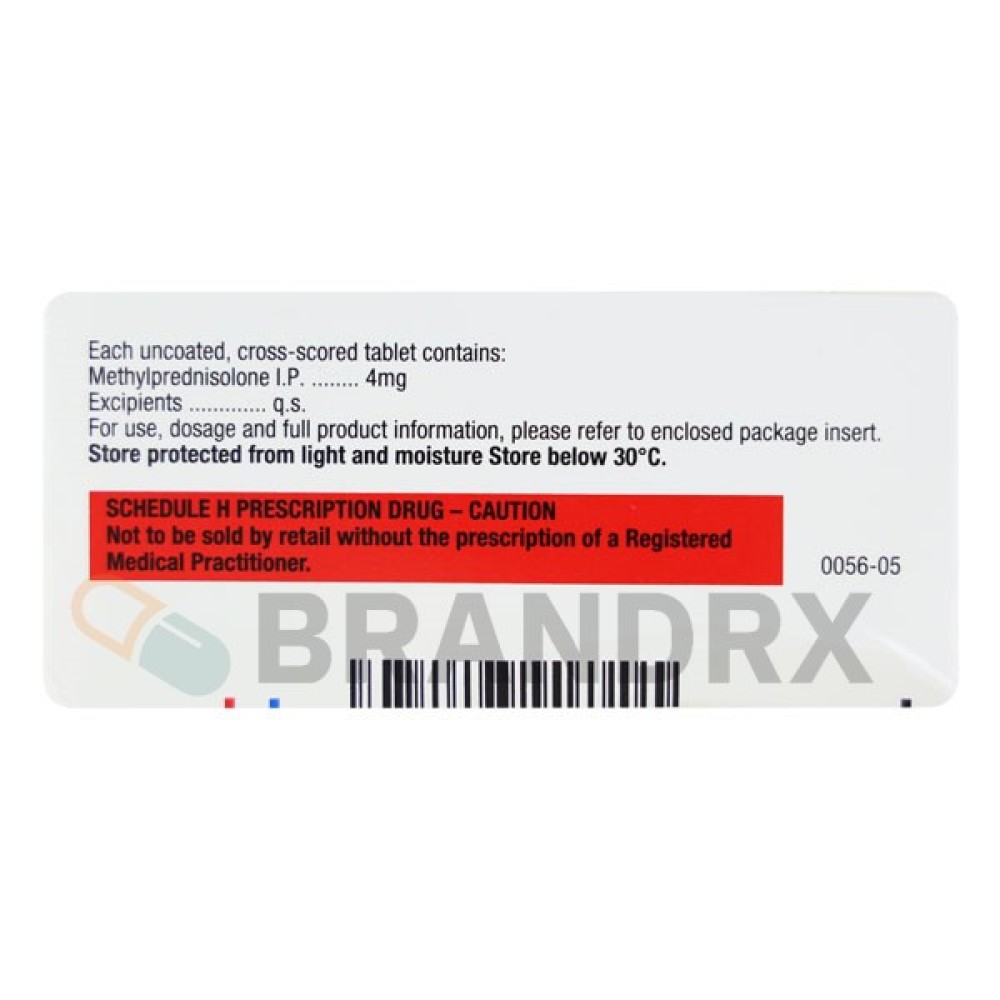
| Storage conditions | Store at room temperature away from moisture and heat |
| Strength | 4mg |
| Substance class | Corticosteroid |
| Trade name | Medrol, Solu-Medrol |
| Use in sports | Used medically to treat inflammation but may be abused for injury recovery |
| Water Retention | Yes, can cause fluid retention |
| Manufacturer | Pfizer Ltd. |
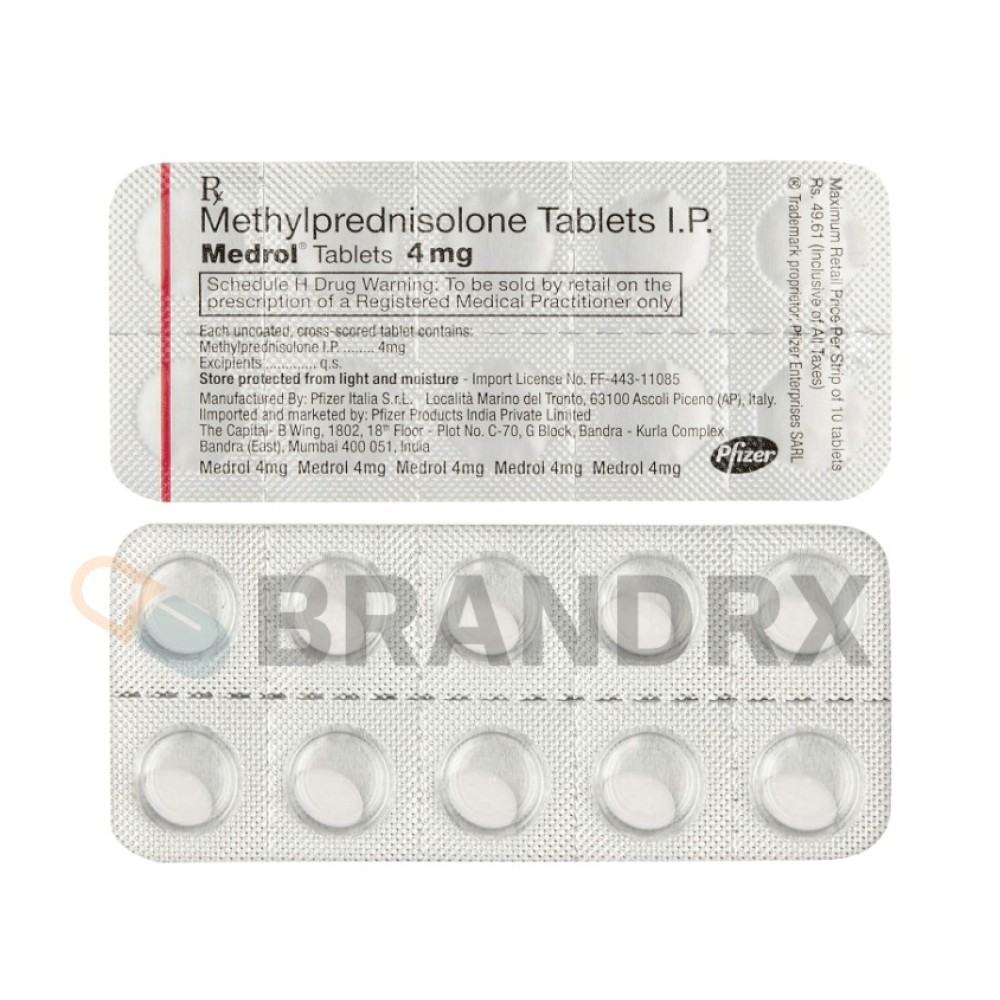
| Packing | 10 tabs/blister |
-
8.00€
| Brand: | Pfizer |
|---|---|
| Product Code: | EU14418 |
| Availability: | Out of stock |