
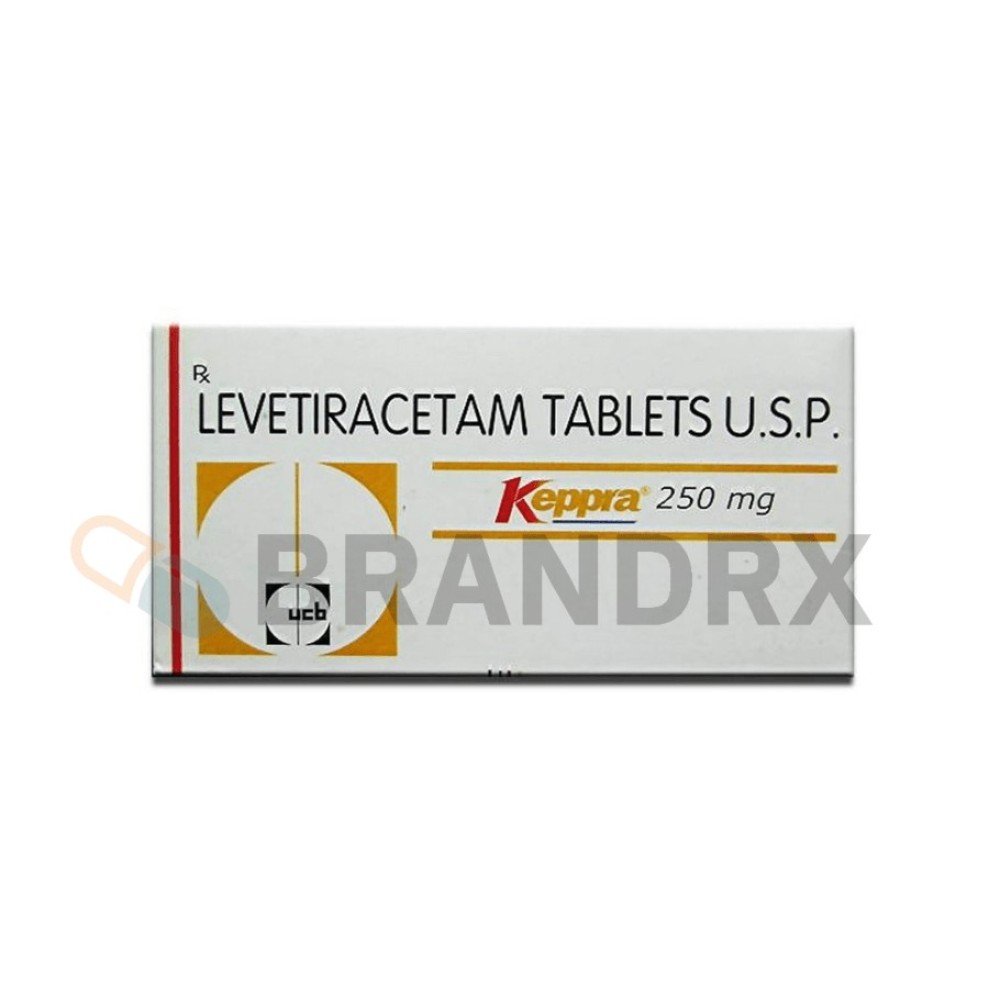

Overview of Keppra 250 mg Pharmaceutical and its Main Properties
Keppra 250 mg Pharmaceutical is an antiepileptic medication that is primarily used to treat seizures in both adults and children. The active ingredient in this formulation is Levetiracetam, which is known for its effectiveness in controlling various types of seizures, including partial-onset seizures that may be generalized. This medication works by inhibiting certain neurotransmitters in the brain, thereby stabilizing electrical activity and reducing seizure frequency.
Keppra 250 mg is characterized by its rapid absorption and a unique mechanism of action, which sets it apart from many traditional antiepileptic drugs. This pharmaceutical is often well-tolerated by patients, leading to its popularity among healthcare providers as a preferred choice for managing epilepsy. Keppra comes in multiple dosage forms, including tablets, oral solutions, and intravenous injections, allowing for flexibility in treatment plans based on individual patient needs.
Additionally, Keppra is known for its minimal interaction with other medications, making it a safer option for patients who may be taking multiple drugs for various health conditions. Once prescribed, Keppra allows for consistent serum levels in the bloodstream, contributing to its efficacy in controlling seizures with a low incidence of side effects. The 250 mg dosage is particularly useful for titration during the initiation of therapy.
Dosage Guidelines and Intake Regimen
The dosage of Keppra 250 mg Pharmaceutical varies depending on the age, weight, and medical history of the patient, as well as the type of seizure being treated. It is crucial that the medication is taken exactly as prescribed by a healthcare provider. Typically, the starting dose for adults is often around 500 mg per day, which may be gradually increased to achieve optimal therapeutic results.
For children, the dose is usually determined based on their body weight, and it typically starts at a lower level, often around 10 mg per kg of body weight per day. The dosage can be increased every two weeks if seizures are not adequately controlled. It is essential to follow the prescribed titration schedule to minimize potential side effects.
Keppra can be taken with or without food; however, consistency in how it is taken—either always with food or always without food—is important for maintaining stable blood levels. Patients should ensure that they do not suddenly discontinue the medication without consulting a healthcare professional, as doing so may increase the risk of seizures. Regular follow-up appointments with the prescribing physician are also vital for monitoring the medication’s effectiveness and making any necessary adjustments to the dosage.
Advantages and Practical Benefits of Keppra 250 mg Pharmaceutical for Athletes
Keppra 250 mg Pharmaceutical holds a unique place in the lives of athletes, particularly those who may experience seizure disorders as well as those undertaking rigorous training regimens. The medication is valued in sports practice for several reasons:
- Improved Seizure Control: Athletes with epilepsy can maintain a more stable performance level while effectively controlling their seizures.
- Low Side Effect Profile: Many athletes report fewer side effects compared to traditional anticonvulsants, allowing them to maintain peak physical condition.
- Minimized Drug Interactions: Its minimal interaction with other medications makes it a preferable choice for athletes taking supplements or other medications.
- Rapid Action: Quick absorption helps manage seizures promptly, ensuring that athletes can participate in their activities with confidence.
- Flexible Dosing: With various forms available, it allows for convenient intake, regardless of the athlete’s schedule or lifestyle.
Furthermore, Keppra's non-sedating qualities mean that it does not impede cognitive function or athletic performance, which is crucial for athletes who need to perform at their best in competitive environments. This medication ensures that those who might otherwise struggle with the dual challenge of managing their condition and excelling in sports can achieve their goals without significant disruption.
What to Pay Attention to When Using This Medicament
Before starting Keppra 250 mg Pharmaceutical, it's essential to consider several critical factors. While this medication has many benefits, certain precautions and contraindications should be observed to ensure patient safety and efficacy of treatment. Consulting with a healthcare provider is necessary prior to commencing therapy.
First and foremost, individuals with known allergies to Levetiracetam or any of its inactive components should avoid using this medication. Additionally, patients with a history of kidney problems require special consideration, as dosage adjustments may be necessary to prevent adverse effects due to accumulation of the medication in the body.
Keppra is typically not recommended for use in pregnant women unless the potential benefits outweigh the risks, as it may affect fetal development. Furthermore, it is generally not prescribed for children under the age of 6 months. Those who are planning on becoming pregnant or are breastfeeding should also discuss the implications of using Keppra with their physician.
Lastly, patients should report any history of depression, mood changes, or suicidal thoughts to their healthcare provider before starting Keppra, as these conditions can potentially be exacerbated by the medication. Overall, maintaining open communication with healthcare professionals ensures that Keppra 250 mg Pharmaceutical can be used safely and successfully for the patients who need it.
| Features | |
| Also known as | Levetiracetam |
| Blood pressure | Generally has no significant effect on blood pressure |
| Chemical name | (S)-О±-Ethyl-2-oxo-1-pyrrolidineacetamide |
| Dosage (medical) | Typically starts at 500 mg twice daily, adjustable based on patient response and needs |
| Dosage (sports) | Not applicable, as it is not used to enhance athletic performance |
| Effects | Reduces the frequency of seizures |
| Formula | C8H14N2O2 |
| Half-life | Approximately 6 to 8 hours |
| Hepatotoxicity | Low risk |
| Lab Test | Monitoring levels is not typically required but may be done in specific cases |
| Main action | Acts on synaptic vesicle protein SV2A, which modulates neurotransmitter release |
| Side effects | May include dizziness, fatigue, drowsiness, irritability, and coordination difficulties |
| Storage conditions | Store at room temperature, away from light and moisture |
| Strength | 250 mg |
| Substance class | Anticonvulsant |
| Trade name | Keppra |
| Use in sports | Not recognized for use in sports |
| Water Retention | Negligible |
| Manufacturer | Pharmaceutical |
-
12.00€
| Brand: | Pharmaceutical Company |
|---|---|
| Product Code: | EU12545 |
| Availability: | Out of stock |