
Define Isotroin 10 mg Cipla and Explain Its General Purpose
Isotroin 10 mg Cipla is a dermatological medication primarily used in the management of severe acne vulgaris, a condition that can significantly impact both physical health and psychological well-being. This formulation contains isotretinoin, a powerful retinoid derived from vitamin A, which functions by reducing the size and activity of sebaceous glands, leading to decreased sebum production. Isotroin is typically prescribed when other treatments, such as topical medications and antibiotics, prove ineffective in controlling acne symptoms.
The general purpose of Isotroin 10 mg Cipla extends beyond mere symptom relief; it aims to address the root causes of acne by altering the biology of the skin. By targeting the factors that contribute to acne formation, isotretinoin helps in preventing the formation of new lesions and promotes healing of existing ones. Patients receiving this treatment may experience a marked reduction in acne breakouts, leading to an overall improvement in skin texture and fewer instances of scarring, which is particularly beneficial for those who struggle with persistent severe acne.
Describe How Isotroin 10 mg Cipla Fits Into Broader Treatment Strategies or Usage Approaches
In the context of comprehensive acne management, Isotroin 10 mg Cipla serves as a cornerstone for patients who require aggressive intervention. Acne treatment typically begins with over-the-counter products, including topical agents like benzoyl peroxide and salicylic acid or antibiotics; however, these options may not suffice for all individuals. Persistent and severe cases of acne often necessitate the initiation of isotretinoin therapy after assessing the potential benefits against risks. Its potent effects make it particularly useful in reducing inflammatory lesions and preventing future outbreaks, making it an indispensable component of acne treatment protocols.
Furthermore, isotretinoin is often used in tandem with lifestyle modifications and an appropriate skincare regimen. Healthcare professionals may recommend a combination of effective topical treatments and supportive measures to enhance overall outcomes. This multifaceted approach allows for a more effective management of not just the acne itself but also the psychosocial impacts associated with the condition. Patients are encouraged to collaborate closely with their dermatologists, who can tailor treatment to individual needs, monitoring progress closely to adapt their therapeutic strategies accordingly.
Explain the Advantages Users Typically Expect from This Preparation
When using Isotroin 10 mg Cipla, users generally expect to experience several advantages, which contribute to its popularity as a treatment option. Below are key benefits associated with this medication:
- Effective Reduction in Severe Acne: Patients often observe significant improvement in the number and severity of acne lesions.
- Long-Term Remission: Many individuals enjoy sustained periods of clear skin following a course of isotretinoin treatment compared to traditional therapies.
- Fewer Recurrences of Acne: The mechanism of isotretinoin not only treats existing acne but also helps prevent future breakouts.
- Enhanced Skin Texture: Users frequently report smoother skin and a reduction in scarring, leading to improved self-esteem.
- Psychological Relief: Reducing severe acne can contribute positively to mental health, alleviating issues related to body image and social interactions.
Discuss Risks, Precautions, and Contraindications for Use of This Preparation
While Isotroin 10 mg Cipla presents numerous advantages, it is crucial for users to be aware of potential risks, precautions, and contraindications associated with its use. Isotretinoin can cause several side effects, some of which may be severe, hence the necessity for careful monitoring during treatment. Common side effects include dry skin, chapped lips, and nosebleeds due to mucosal dryness. However, more severe complications can arise, such as liver enzyme elevation, lipid abnormalities, and mental health concerns, including depression and suicidal ideation.
Because isotretinoin can cause severe birth defects, it is strictly contraindicated for pregnant patients and women planning to conceive. Women of childbearing age are advised to use effective contraception during treatment and follow up with routine pregnancy tests. Additionally, this medication should not be administered to individuals with a history of hypersensitivity to isotretinoin or those with certain pre-existing health conditions, such as hyperlipidemia or severe liver dysfunction. Regular follow-ups with healthcare providers are essential to routinely assess for side effects and ensure the safe and effective use of the medication.
Conclude with Guidance on How Users Should Approach Understanding and Using Isotroin 10 mg Cipla Responsibly
Understanding and responsibly using Isotroin 10 mg Cipla involves a comprehensive approach to treatment. Patients should engage in thorough consultations with their healthcare professionals, discussing their medical history, current health status, and any concerns they may have. It is imperative to adhere to prescribed dosages and follow up regularly for monitoring potential side effects and treatment efficacy. Users must educate themselves about the medication, including its benefits and risks, to make informed decisions.
Additionally, maintaining an open line of communication with healthcare providers is essential throughout the treatment process. Patients are encouraged to report any unusual symptoms or severe side effects promptly. Finally, it is advisable to complement the use of isotretinoin with a tailored skincare routine and healthy lifestyle choices to optimize outcomes. By taking these responsible steps, users can harness the full benefits of Isotroin 10 mg Cipla while minimizing risks, fostering a path towards clearer skin and improved quality of life.
| Features | |
| Active substance | Isotretinoin |
| Also known as | Accutane |
| Blood pressure | No significant effect |
| Chemical name | (2Z,4E,6E,8E)-3,7-dimethyl-9-(2,6,6-trimethylcyclohexen-1-yl)nona-2,4,6,8-tetraenoic acid |
| Dosage (medical) | Typically 0.5 to 1 mg per kg of body weight per day, taken in two divided doses |
| Dosage (sports) | Not applicable |
| Effects | Reduces acne, decreases sebum production, promotes skin renewal |
| Formula | C20H28O2 |
| Half-life | 10-20 hours |
| Hepatotoxicity | Moderate, requires periodic liver function tests |
| Lab Test | Liver function tests, lipid profiles, pregnancy tests |
| Main action | Reduces sebum production, corrects abnormal keratinization, has anti-inflammatory properties |
| Side effects | Dry skin, lips and eyes, itching, nosebleeds, muscle aches, sensitivity to sunlight, decreased night vision, potentially severe birth defects if taken during pregnancy |
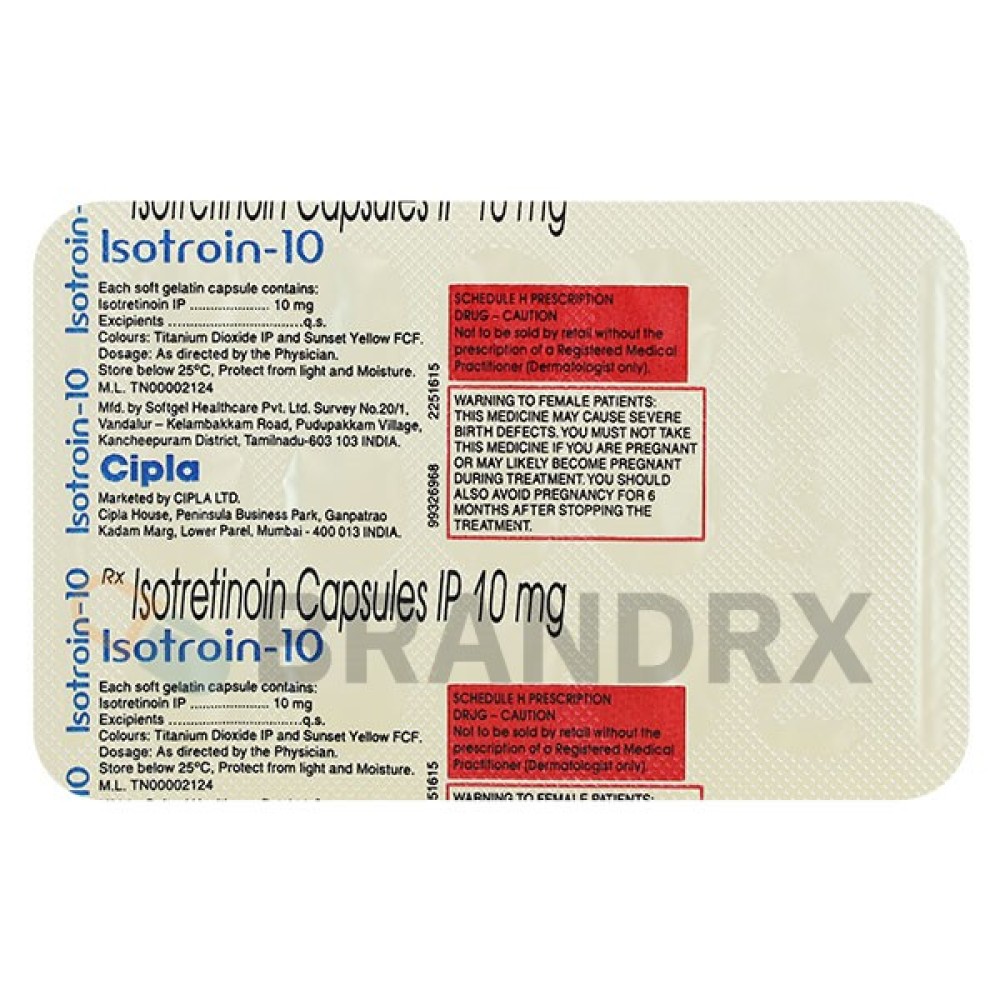
| Storage conditions | Store at controlled room temperature (15-30В°C), protect from light |
| Strength | 10mg |
| Substance class | Retinoid |
| Trade name | Accutane, Roaccutane, Claravis, others |
| Use in sports | None |
| Water Retention | No |
| Manufacturer | Cipla Ltd. |
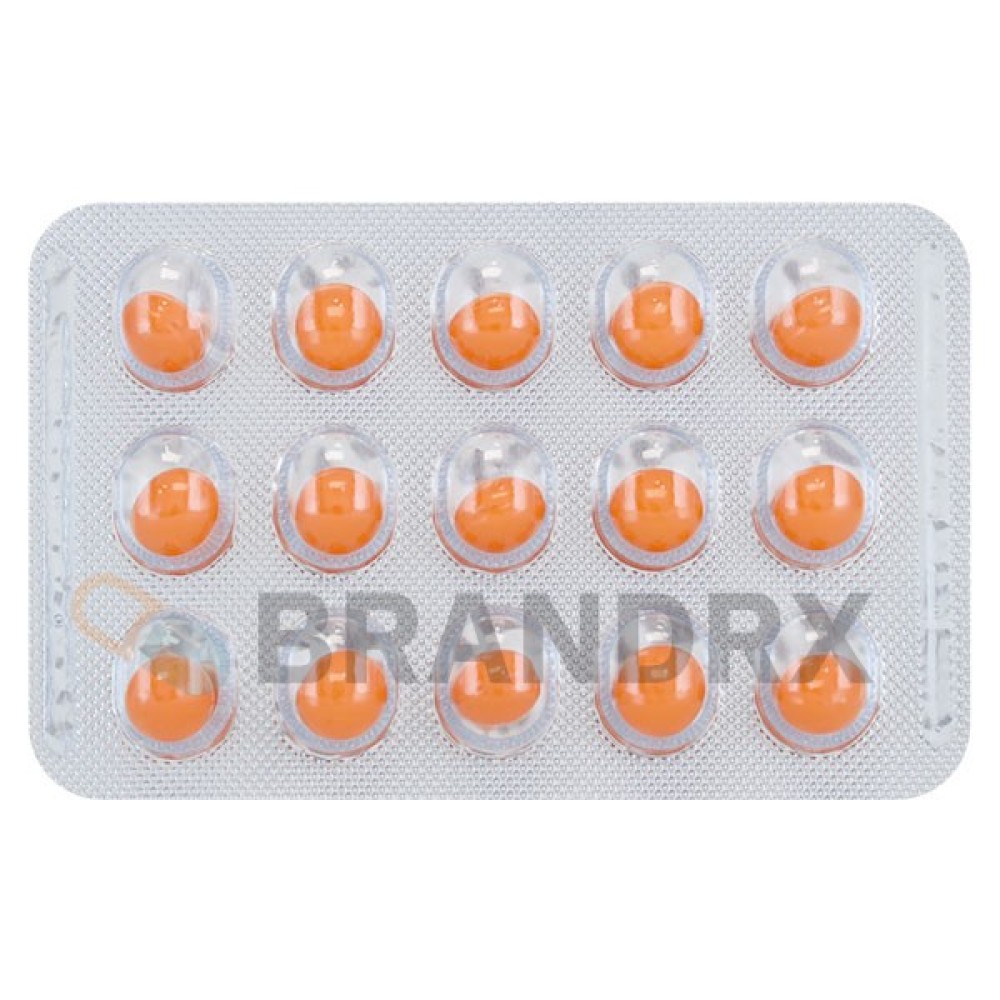
| Packing | 15 caps/blister |
-
62.00€
| Brand: | Cipla |
|---|---|
| Product Code: | EU14353 |
| Availability: | In stock |