
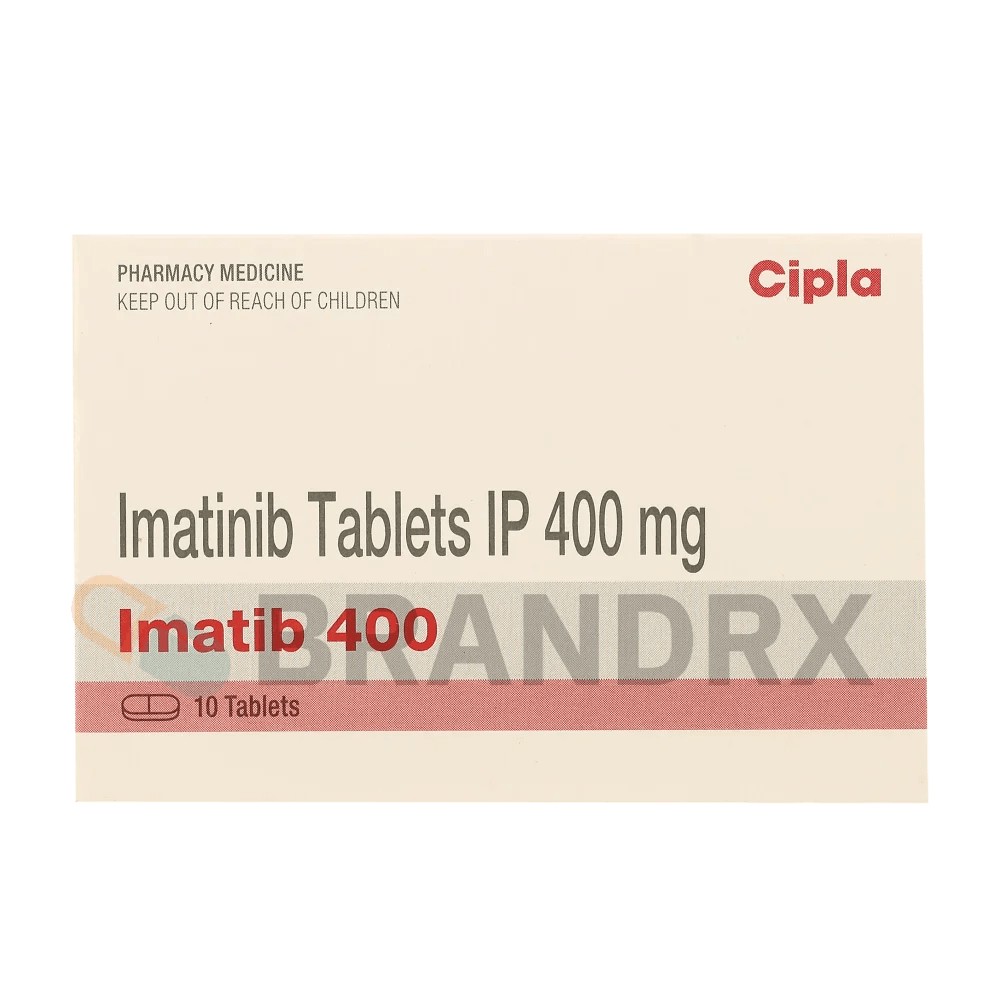
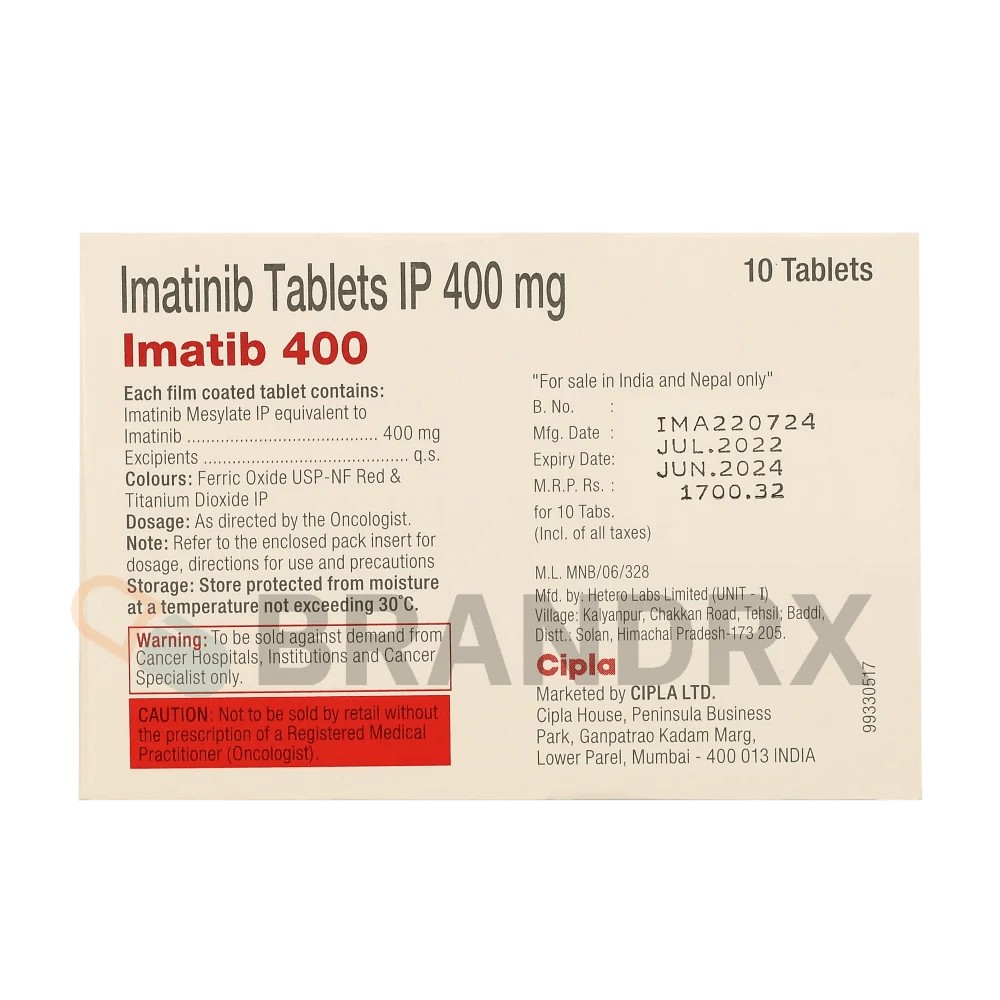

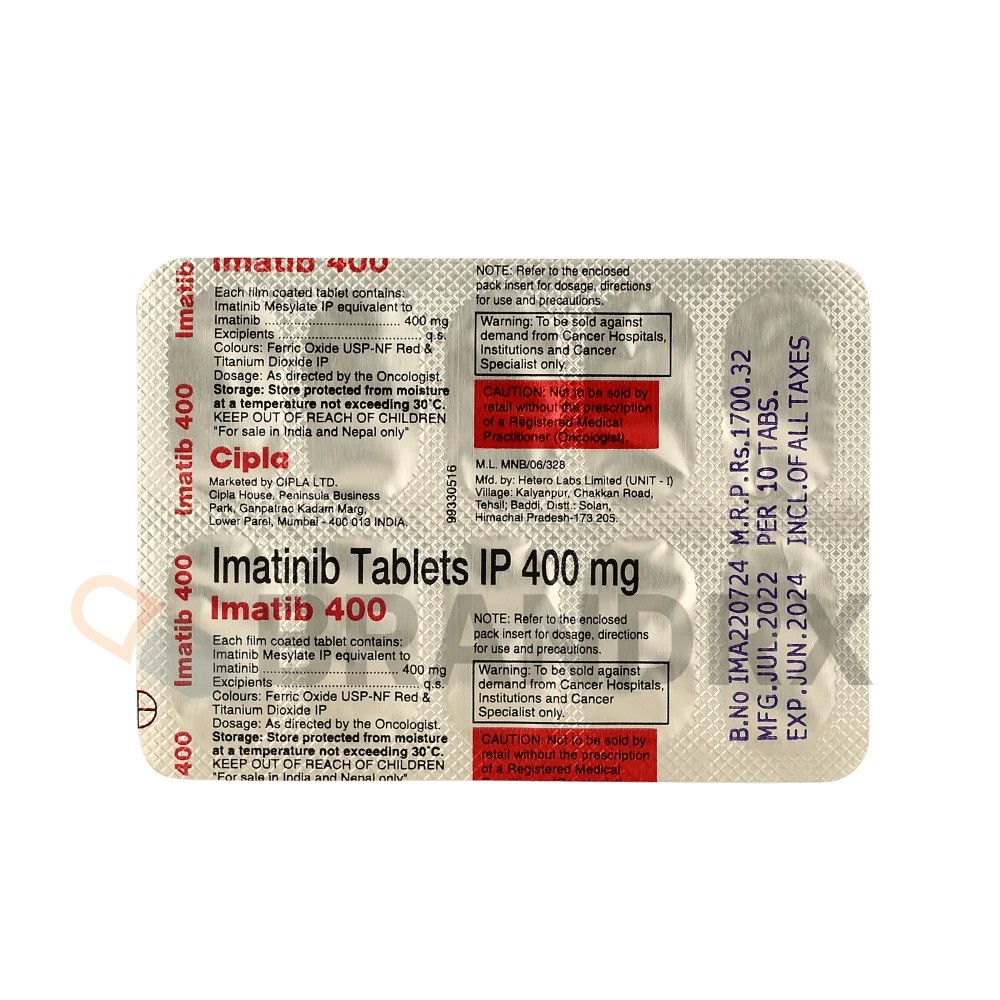
Define Imatib 400 mg Cipla and explain its general purpose
Imatib 400 mg Cipla is a medication primarily used for the treatment of various forms of cancer, notably chronic myeloid leukemia (CML) and gastrointestinal stromal tumors (GISTs). This pharmaceutical product is an inhibitor of the tyrosine kinase enzyme, crucial for cancer cell proliferation. By targeting the BCR-ABL fusion protein present in CML and other malignancies, Imatib serves to halt the uncontrolled growth of cancer cells, ultimately aiming to improve patient survival rates and quality of life.
Manufactured by Cipla, a global healthcare company based in India, Imatib is recognized for its efficacy in targeting specific genetic markers that characterize certain cancers. The development of such targeted therapies represents a significant advancement in oncology, allowing for treatments that are more effective and less harmful than traditional chemotherapy. It is crucial for healthcare professionals and patients to understand the role of Imatib 400 mg Cipla in modern cancer management to ensure optimal treatment outcomes.
Describe how Imatib 400 mg Cipla fits into broader treatment strategies or usage approaches
Imatib 400 mg Cipla is integral to the evolving landscape of cancer treatment, which increasingly emphasizes personalized medicine. In broader treatment strategies, it is often used in conjunction with other modalities such as surgical intervention, radiation therapy, and various forms of chemotherapy. This multimodal approach allows for a comprehensive management plan tailored to the individual patient's needs and cancer profile.
The integration of Imatib into treatment regimens often follows a thorough evaluation of the patient's specific cancer type and molecular characteristics. For instance, in cases of CML, Imatib is typically used as a first-line treatment option, providing an effective alternative to stem cell transplantation for patients with chronic-phase disease. In GISTs, Imatib has revolutionized treatment, allowing for the management of tumors that were once deemed inoperable.
Moreover, ongoing clinical research continues to refine the use of Imatib, exploring its effectiveness in combination with other targeted therapies and immunotherapies. This underscores the importance of using Imatib within a broader framework that considers tumor biology, patient health, and emerging therapeutic options. Such an approach not only enhances the potential benefits of Imatib but also minimizes risks associated with treatment.
Explain the advantages users typically expect from this preparation
Patients and healthcare providers often seek out Imatib 400 mg Cipla due to several notable advantages associated with its use in treating specific cancers. Key benefits include:
- Targeted Action: Imatib specifically inhibits cancer cell growth by targeting the BCR-ABL fusion protein, leading to more effective treatment with potentially fewer side effects than traditional chemotherapy.
- Improved Survival Rates: Clinical studies have shown that patients taking Imatib experience enhanced overall survival and progression-free survival compared to those receiving conventional treatments.
- Better Tolerability: Many patients report tolerating Imatib better than chemotherapy, with a different side effect profile that often allows for ongoing daily activities without significant disruption.
- Convenience of Administration: Imatib is an orally administered medication, which is often preferred by patients as it offers the flexibility of outpatient management rather than requiring hospital-based infusions.
- Potential for Long-Term Management: With its targeted approach, Imatib has enabled many patients to manage their condition over extended periods, minimizing the need for aggressive interventions.
Discuss risks, precautions, and contraindications for use of this preparation
While Imatib 400 mg Cipla provides numerous benefits, it is also essential for patients and healthcare professionals to be aware of the potential risks, precautions, and contraindications associated with its use. Common side effects may include nausea, vomiting, diarrhea, and fatigue. These adverse effects can vary in intensity among patients, making individual monitoring crucial.
Moreover, there are several contraindications where Imatib should not be used. These can include patients with a known hypersensitivity to Imatib or any of its components. It is also essential for patients with liver impairment or specific heart conditions to exercise caution and consult healthcare providers before starting treatment, as Imatib can exacerbate these conditions.
Prior to initiating treatment, a thorough medical history and discussion of potential interactions with other medications is vital. Patients should inform their healthcare providers of all medications they are taking, including over-the-counter drugs and supplements, to prevent harmful interactions. Regular monitoring of blood cell counts and liver function tests is also recommended to assess tolerance to the medication and adjust dosing if necessary.
Conclude with guidance on how users should approach understanding and using Imatib 400 mg Cipla responsibly
Understanding and using Imatib 400 mg Cipla responsibly requires a collaborative approach between patients and healthcare providers. Patients should have open discussions with their doctors about their treatment goals, possible side effects, and the implications of using this medication within their overall cancer management plan. Informed consent is essential; patients should be aware of both the potential risks and the expected benefits associated with the use of Imatib.
Healthcare providers are encouraged to remain updated on the latest research and clinical trials involving Imatib, as ongoing studies may offer insights into its effectiveness and new usage guidelines. Patients should also seek educational resources from reputable organizations to empower their treatment decisions and to stay informed about their conditions. By fostering a proactive approach to understanding Imatib 400 mg Cipla, users can enhance the effectiveness of their cancer treatment and maintain an active role in their healthcare journey.
| Features | |
| Active substance | Imatinib |
| Also known as | STI571 |
| Blood pressure | Can cause changes in blood pressure, monitoring advised |
| Chemical name | 4-[(4-Methyl-1-piperazinyl)methyl]-N-[4-methyl-3-[[4-(3-pyridinyl)-2-pyrimidinyl]amino]phenyl]benzamide |
| Dosage (medical) | Typically 400-800 mg per day, depending on the condition being treated |
| Dosage (sports) | Not applicable as it is not used for performance enhancement |
| Effects | Treats certain types of cancer by blocking the action of the abnormal protein that signals cancer cells to multiply |
| Formula | C29H31N7O |
| Half-life | Approximately 18 hours |
| Hepatotoxicity | Low, but liver function tests are recommended |
| Lab Test | Monitoring of complete blood counts and liver function tests are advised |
| Main action | Inhibits the Bcr-Abl tyrosine kinase |
| Side effects | Nausea, vomiting, edema, muscle cramps, musculoskeletal pain, diarrhea, rash, fatigue, abdominal pain |
| Storage conditions | Store at room temperature, away from moisture and heat |
| Strength | 400mg |
| Substance class | Tyrosine kinase inhibitor |
| Trade name | Gleevec (USA), Glivec (Europe and Australia) |
| Use in sports | None, not used as a performance-enhancing drug |
| Water Retention | Yes, can cause fluid retention |
| Manufacturer | Cipla Ltd. |
| Packing | 10 tabs/blister |
-
174.00€
| Brand: | Cipla |
|---|---|
| Product Code: | EU14347 |
| Availability: | Out of stock |