
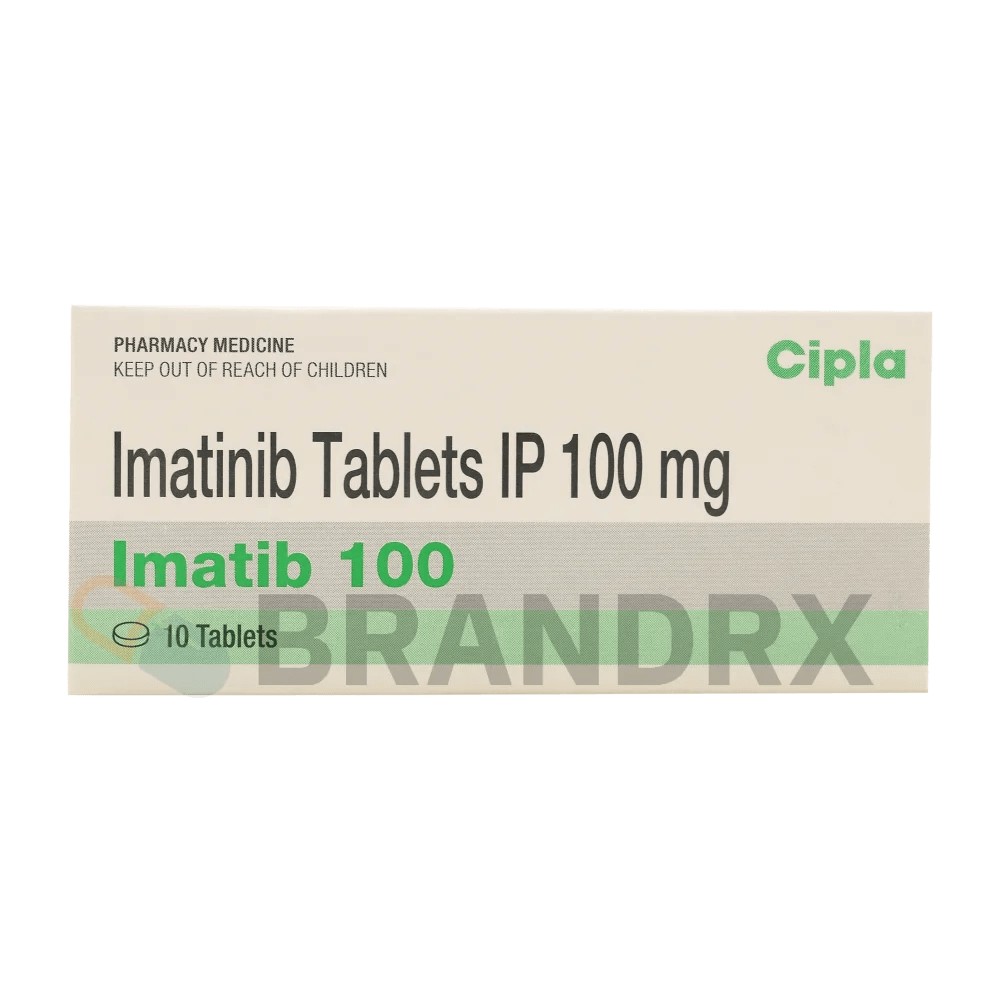
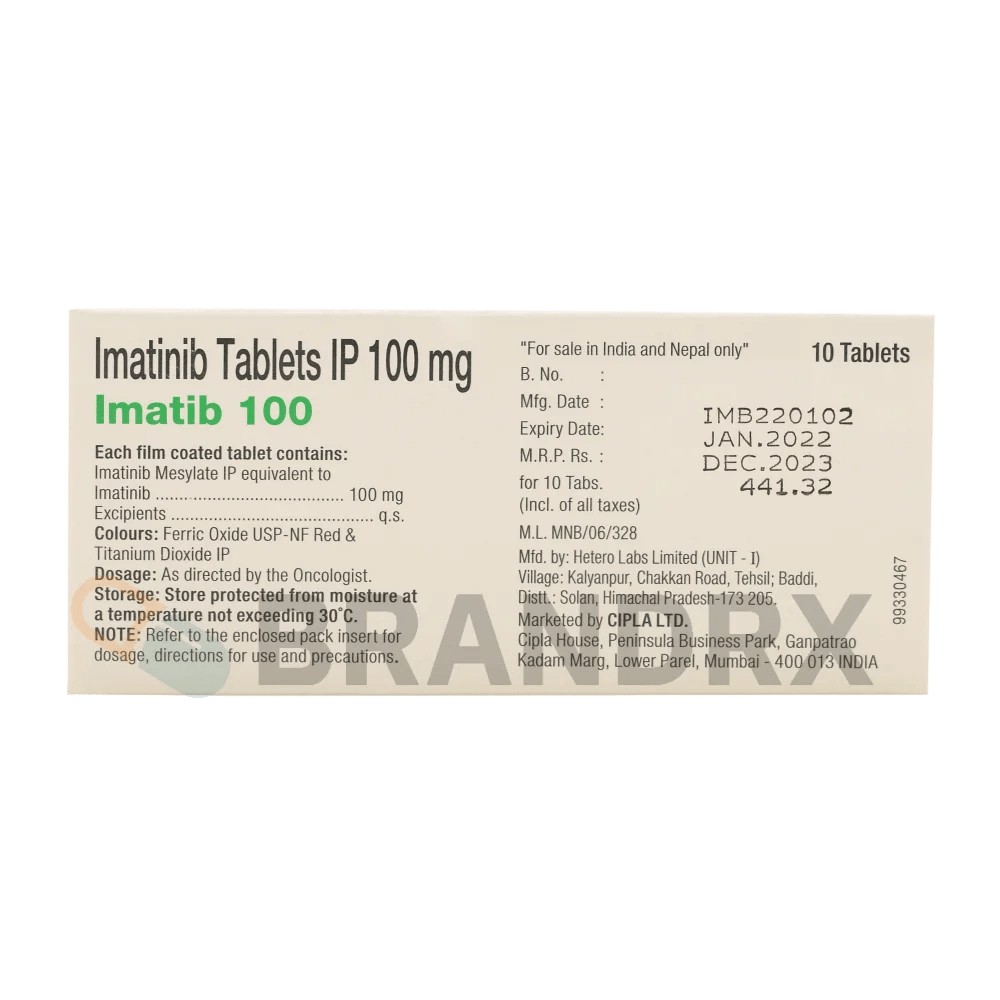

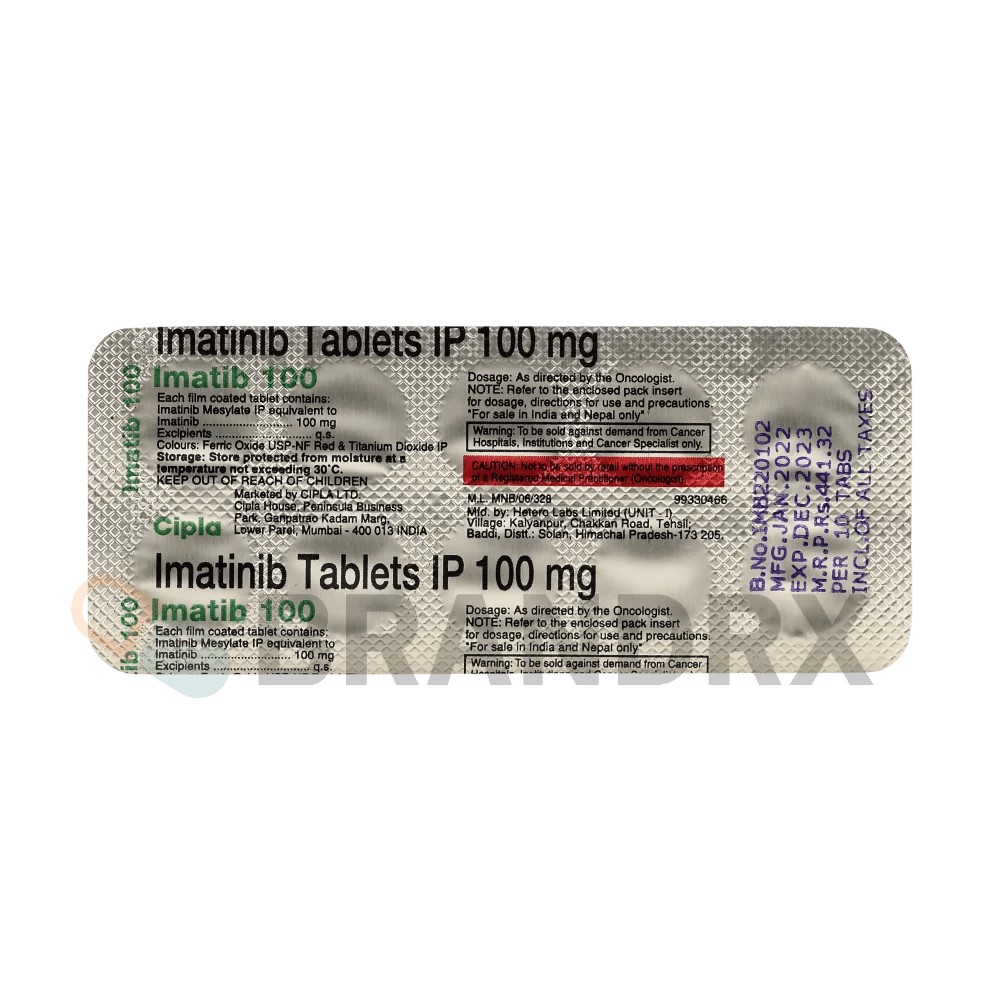
Define Imatib 100 mg Cipla and Explain Its General Purpose
Imatib 100 mg Cipla is a medication primarily used in oncology, particularly for treating certain types of cancer. It is a formulation of Imatinib, an oral targeted therapy developed to inhibit specific tyrosine kinases that promote the growth of cancerous cells. By effectively blocking these pathways, Imatib aims to control the proliferation of neoplastic cells, thereby contributing to improved outcomes in patients with specific malignancies.
This formulation is particularly indicated for conditions such as chronic myeloid leukemia (CML) and gastrointestinal stromal tumors (GIST). By interfering with the signaling mechanisms that lead to uncontrolled cellular division, Imatib 100 mg Cipla plays a crucial role in managing these diseases, allowing for better quality of life and extended survival rates when used appropriately.
Furthermore, the medication is well-tolerated by many patients, making it a preferred choice in treatment settings. It underscores the importance of precision in cancer therapy, aligning treatment with the molecular characteristics of the tumor, which is increasingly becoming a standard in modern oncological care.
How Imatib 100 mg Cipla Fits into Broader Treatment Strategies or Usage Approaches
Imatib 100 mg Cipla is integrated into a comprehensive treatment strategy that emphasizes personalized medicine. The medical community recognizes that different cancers can have unique genetic profiles, and targeted therapies like Imatib are designed to address these specificities. This approach contrasts with traditional chemotherapy, which is more generalized and often comes with a higher side effect burden.
In conjunction with other therapies, Imatib may be part of a multi-modal treatment plan. For instance, it might be administered alongside surgery or radiation therapy for localized tumors. Additionally, in some cases where tumors show resistance to conventional therapies or exhibit aggressive behavior, Imatib can be employed as a secondary line of treatment.
This integration is vital as it allows for both immediate and long-term management of the disease. Regular monitoring and adaptation of treatment plans ensure that the therapy remains effective, helping clinicians to navigate the ever-evolving nature of cancer progression.
Furthermore, patient education and engagement play a significant role in the successful use of Imatib. By understanding how the drug interacts with their specific condition, patients can make informed decisions about their health and treatment plans, enhancing adherence and overall satisfaction with their care.
Advantages Users Typically Expect from This Preparation
When considering Imatib 100 mg Cipla, patients and healthcare providers may anticipate several advantages based on its targeted action and clinical efficacy. The following points summarize the key benefits one might expect:
- Effective Disease Control: Many patients experience significant disease stabilization and, in some cases, remission, reducing the tumor burden effectively.
- Targeted Therapy: The specific action of Imatib allows for less damage to healthy cells, as it primarily affects the cancerous ones, often resulting in a more tolerable side effect profile compared to traditional chemotherapy.
- Convenient Administration: Being an oral medication, Imatib can be taken at home, which enhances patient convenience and adherence to treatment schedules.
- Proven Track Record: Numerous studies and clinical trials have demonstrated the effectiveness of Imatib in extending survival rates among patients with CML and GIST, solidifying its place in oncological protocols.
- Ability to Overcome Resistance: In cases where tumors develop resistance to other therapies, Imatib can often be reintroduced or used in succession to regain therapeutic efficacy.
Discuss Risks, Precautions, and Contraindications for Use of This Preparation
While Imatib 100 mg Cipla offers significant therapeutic advantages, it is critical for patients to be aware of potential risks and precautions associated with its usage. Some common side effects include nausea, diarrhea, fatigue, and fluid retention. Serious, albeit less common, side effects might involve liver dysfunction, severe skin reactions, and cardiovascular issues.
Precautions must be taken especially regarding drug interactions. Patients should disclose their complete medication list, including over-the-counter supplements, to avoid complications. Additionally, individuals with pre-existing liver or kidney conditions may need closer monitoring and adjustments to their dosage based on their overall health and response to the treatment.
Contraindications for Imatib include hypersensitivity to Imatinib or any of the excipients in the formulation. Pregnant or breastfeeding women are advised against using this medication without thorough discussion and risk assessment with their healthcare provider, given the potential effects on fetal development or infant health.
Conclude with Guidance on How Users Should Approach Understanding and Using Imatib 100 mg Cipla Responsibly
Users of Imatib 100 mg Cipla should adopt a proactive and informed approach towards their treatment. It is paramount for patients to maintain open lines of communication with their healthcare providers, participating actively in discussions about their treatment plans and any concerns that may arise. Understanding the rationale behind choosing Imatib, as well as the mechanisms of action and expected outcomes, empowers patients in their treatment journey.
Furthermore, regular follow-ups and monitoring are essential to track the efficacy of the medication and manage any side effects promptly. Patients should keep a record of their symptoms and report any unusual changes to their healthcare team. This vigilance not only ensures safety but also enhances the overall effectiveness of the therapy.
In conclusion, Imatib 100 mg Cipla represents a significant advancement in cancer treatment, but its responsible use is critical for maximizing outcomes. By combining medical guidance with patient education and active engagement in their care, individuals using Imatib can navigate their treatment journey more effectively and safely.
| Features | |
| Active substance | Imatinib |
| Also known as | STI571 |
| Blood pressure | Can cause changes in blood pressure, monitoring advised |
| Chemical name | 4-[(4-Methyl-1-piperazinyl)methyl]-N-[4-methyl-3-[[4-(3-pyridinyl)-2-pyrimidinyl]amino]phenyl]benzamide |
| Dosage (medical) | Typically 400-800 mg per day, depending on the condition being treated |
| Dosage (sports) | Not applicable as it is not used for performance enhancement |
| Effects | Treats certain types of cancer by blocking the action of the abnormal protein that signals cancer cells to multiply |
| Formula | C29H31N7O |
| Half-life | Approximately 18 hours |
| Hepatotoxicity | Low, but liver function tests are recommended |
| Lab Test | Monitoring of complete blood counts and liver function tests are advised |
| Main action | Inhibits the Bcr-Abl tyrosine kinase |
| Side effects | Nausea, vomiting, edema, muscle cramps, musculoskeletal pain, diarrhea, rash, fatigue, abdominal pain |
| Storage conditions | Store at room temperature, away from moisture and heat |
| Strength | 100mg |
| Substance class | Tyrosine kinase inhibitor |
| Trade name | Gleevec (USA), Glivec (Europe and Australia) |
| Use in sports | None, not used as a performance-enhancing drug |
| Water Retention | Yes, can cause fluid retention |
| Manufacturer | Cipla Ltd. |
| Packing | 10 tabs/blister |
-
78.00€
| Brand: | Cipla |
|---|---|
| Product Code: | EU14346 |
| Availability: | Out of stock |