
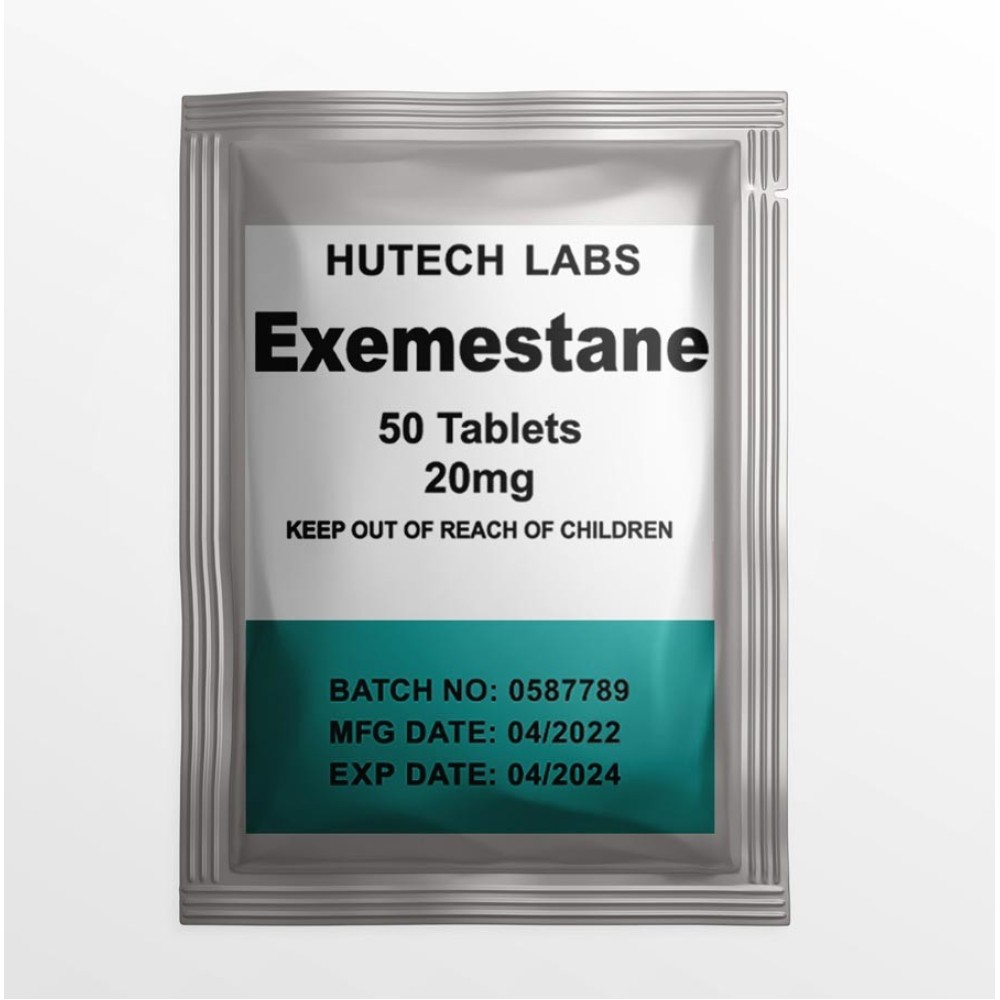
Understanding Exemestane Pharmaceutical: Principles and Characteristics
Exemestane Pharmaceutical is a crucial medication primarily used in the treatment of hormone receptor-positive breast cancer in postmenopausal women. This pharmaceutical product belongs to a class of drugs known as aromatase inhibitors, which function by blocking the enzyme aromatase, responsible for the conversion of androgens to estrogens. By reducing estrogen levels in the body, Exemestane Pharmaceutical helps to inhibit the growth of breast cancer cells that rely on estrogen for their proliferation.
One of the key characteristics of Exemestane Pharmaceutical is its irreversible mechanism of action. Unlike reversible aromatase inhibitors, Exemestane binds permanently to the aromatase enzyme, leading to a more significant and sustained reduction in estrogen production. This distinct feature makes it a valuable option in the therapeutic landscape for managing specific types of breast cancer, particularly in patients who have completed a course of tamoxifen therapy. The overall efficacy and safety profile are well-documented, contributing to its popularity and acceptance in oncological care.
Moreover, Exemestane Pharmaceutical is often preferred due to its favorable side effect profile compared to some other treatments. It provides a targeted approach, minimizing systemic exposure and consequently, the occurrence of certain adverse effects seen with other hormonal therapies.
Available Forms and Formats of Exemestane Pharmaceutical
Exemestane Pharmaceutical is predominantly available in the form of oral tablets. Each tablet typically contains 25 mg of the active ingredient, making it convenient for patients to incorporate into their daily medication routines. This method of administration ensures a straightforward dosing schedule, which is essential for maintaining consistent levels of the drug in the bloodstream.
Patients are usually advised to take the medication once a day after a meal to enhance absorption and minimize gastrointestinal disturbances. The oral tablet format also allows for easy titration of dosages under medical supervision, ensuring that each patient receives the most effective regimen tailored to their health needs.
In some cases, Exemestane Pharmaceutical may be prescribed as part of a broader treatment regimen that includes other pharmaceutical agents or therapies. This combination approach aims to enhance overall efficacy while addressing any potential invasiveness or aggressiveness of the breast cancer.
Key Differences Between Exemestane Pharmaceutical and Its Alternatives
When considering options for breast cancer treatment, patients often encounter a range of medications including other aromatase inhibitors such as anastrozole and letrozole. The key differences between Exemestane Pharmaceutical and its alternatives lie mainly in their mechanisms of action, dosing regimens, and side effect profiles. While both anastrozole and letrozole are reversible inhibitors, Exemestane provides irreversible antagonism of the aromatase enzyme, potentially contributing to its efficacy in certain patient populations.
Furthermore, Exemestane Pharmaceutical has shown distinct advantages in patients who have previously been treated with tamoxifen, particularly regarding its ability to target estrogen-dependent tumors effectively. Users considering which medication to choose should consult with their healthcare provider to assess individual health circumstances, treatment history, and preferences.
Ultimately, the choice of using Exemestane Pharmaceutical should be influenced by its specific therapeutic benefits, its compatibility with other medications, and the individual patient’s healthcare goals. Patients desirous of effective management of their breast cancer should recognize the potential advantages Exemestane offers within their treatment plans.
Long-term Effects and Precautions with Exemestane Pharmaceutical
The long-term effectiveness of Exemestane Pharmaceutical has been the subject of numerous studies, demonstrating its ability to significantly reduce the risk of cancer recurrence following initial treatment. However, like all medications, it is essential to consider the potential long-term effects and any contraindications associated with its use.
Long-term use of Exemestane may result in specific side effects, including but not limited to bone density loss, which can increase the risk of osteoporosis and fractures. Regular monitoring of bone health is crucial for patients undergoing this treatment. Other common side effects include hot flashes, fatigue, and potential alterations in lipid profiles.
Contraindications for Exemestane Pharmaceutical include premenopausal women and those who are pregnant or breastfeeding due to the potential harm it may pose to the developing fetus or infant. Additionally, individuals with a history of hypersensitivity to Exemestane or with severe hepatic impairment should avoid this medication to prevent adverse reactions. Consulting a healthcare provider is paramount to ensure safe and effective use.
Practical Advice for Using Exemestane Pharmaceutical
Starting treatment with Exemestane Pharmaceutical requires a focused approach to ensure effective usage and monitoring. Firstly, it is essential for patients to obtain a proper diagnosis and treatment plan from a qualified healthcare professional. A thorough discussion regarding the expected benefits, potential side effects, and the importance of adherence to the prescribed regimen should be conducted.
Patients should establish a consistent schedule for taking Exemestane Pharmaceutical to maintain steady drug levels in their system. It is advisable to take the medication at the same time each day and to pair it with a meal, as this can help enhance absorption and minimize gastrointestinal discomfort.
Regular follow-up appointments with a healthcare team are crucial for monitoring treatment efficacy and side effects. Patients are encouraged to report any new or worsening symptoms, such as changes in bone health or unexplained fatigue, prompting timely interventions. Lastly, maintaining an open line of communication with healthcare providers about any other medications or supplements being taken is essential to prevent potential interactions.
Through informed and mindful use, Exemestane Pharmaceutical can play an integral role in the long-term management of breast cancer, highlighting the importance of patient involvement in their treatment journey.
| Features | |
| Also known as | Exemestane |
| Blood pressure | Can potentially increase blood pressure |
| Chemical name | 6-Methylideneandrosta-1,4-diene-3,17-dione |
| Dosage (medical) | 25 mg once daily |
| Dosage (sports) | 12.5 to 25 mg once daily |
| Effects | Decreases circulating estrogen levels, increases testosterone levels |
| Formula | C20H24O2 |
| Half-life | 27 hours |
| Hepatotoxicity | Low |
| Lab Test | Monitors estrogen levels and liver function |
| Main action | Inhibits aromatase enzyme, reducing estrogen synthesis |
| Side effects | Hot flashes, headache, fatigue, increased sweating, joint pain |
| Storage conditions | Store at room temperature away from moisture and heat |
| Substance class | Aromatase inhibitor |
| Trade name | Aromasin |
| Use in sports | Used to prevent estrogen-related side effects and water retention in anabolic steroid users |
| Water Retention | Reduces water retention |
| Manufacturer | Pharmaceutical |
-
132.00€
| Brand: | Pharmaceutical Company |
|---|---|
| Product Code: | EU19066 |
| Availability: | In stock |