
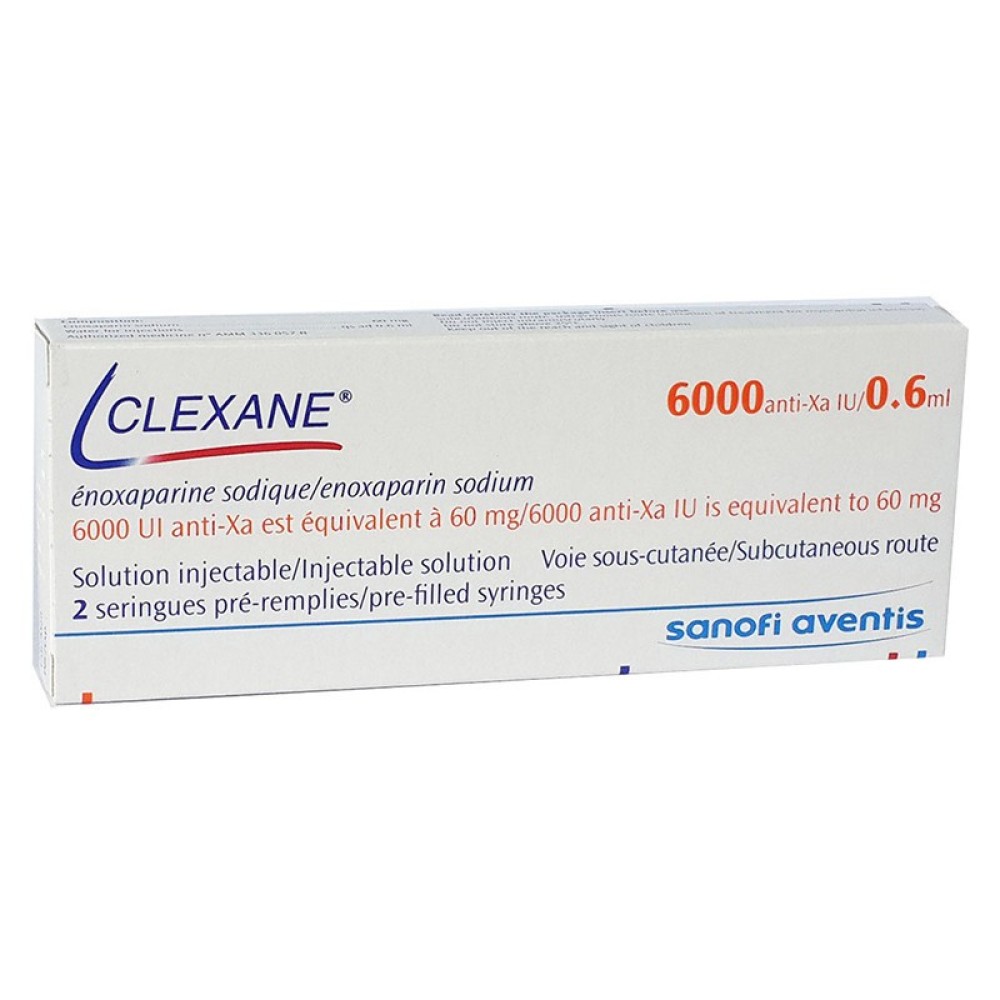
Clexane 6000 anti-XA Aventis: Understanding Its Fundamentals
Clexane 6000 anti-XA Aventis is a widely recognized anticoagulant medication primarily used in the prevention and treatment of thrombosis and related conditions. This preparation operates on the principle of inhibiting Factor Xa, an essential component in the coagulation cascade that leads to blood clot formation. The therapeutic efficacy of Clexane 6000 anti-XA Aventis is attributed to its ability to provide a predictable and consistent anticoagulation effect, which is crucial in managing patients at risk of developing clots.
One of the key characteristics of Clexane 6000 anti-XA Aventis is its low molecular weight, allowing for better pharmacokinetic properties compared to unfractionated heparin. This characteristic results in a lower risk of side effects and a more convenient dosing regimen for patients. As a result, Clexane 6000 anti-XA Aventis is an essential tool in both hospital and outpatient settings, enhancing the quality of care for patients with various cardiovascular and thromboembolic conditions.
Available Presentations of Clexane 6000 anti-XA Aventis
Clexane 6000 anti-XA Aventis is available in prefilled syringes, which simplifies the administration process and ensures accurate dosing. Each syringe is designed for single-use, eliminating the risk of cross-contamination and offering convenience for both patients and healthcare providers. The prefilled format is particularly advantageous for outpatient settings, enabling patients to receive their anticoagulant therapy with minimal assistance.
The medication is typically administered via subcutaneous injection, which allows for rapid absorption into the bloodstream and promotes effective therapeutic outcomes. Clexane 6000 anti-XA Aventis is often prescribed in varying dosages based on individual health conditions, weight, and treatment protocols, making it adaptable for diverse patient needs.
Main Differences and Considerations for Using Clexane 6000 anti-XA Aventis
When evaluating anticoagulant options, Clexane 6000 anti-XA Aventis stands out due to its specific mechanism of action, focusing on the selective inhibition of Factor Xa. Unlike traditional unfractionated heparin, which requires frequent monitoring of blood levels and can lead to variability in patient response, Clexane 6000 anti-XA Aventis offers a more predictable anticoagulant effect without the need for routine laboratory testing.
Furthermore, Clexane 6000 anti-XA Aventis has a lower incidence of heparin-induced thrombocytopenia, a potentially severe adverse reaction that can occur with heparin therapy. These differences make Clexane 6000 anti-XA Aventis a preferred choice for many patients, particularly those requiring long-term anticoagulation management.
Long-Term Effects and Contraindications of Clexane 6000 anti-XA Aventis
While Clexane 6000 anti-XA Aventis is generally well tolerated, it is crucial to consider potential long-term effects and contraindications before beginning treatment. Patients with a history of active bleeding, severe renal impairment, or known sensitivity to heparin should avoid using this preparation. Additionally, because Clexane 6000 anti-XA Aventis has not been extensively studied in pregnant or nursing women, caution is advised, and alternative therapies may be recommended in these situations.
Consideration should also be given to patients with certain medical conditions, such as those at risk of falls or trauma, as the anticoagulation effect can increase the risk of significant bleeding in these contexts. Consultation with a healthcare provider is essential to determine the suitability of Clexane 6000 anti-XA Aventis for individual patients.
Practical Advice for Starting with Clexane 6000 anti-XA Aventis
When considering the initiation of Clexane 6000 anti-XA Aventis treatment, it is essential for patients to engage in a thorough discussion with their healthcare provider. This conversation should cover potential benefits, risks, and the importance of adhering to the prescribed dosing regimen. It might also be beneficial to inquire about the correct administration technique for subcutaneous injections to ensure optimal therapeutic outcomes.
Patients should be made aware of the signs of potential adverse reactions, such as unusual bleeding or bruising, and the need for immediate medical attention if these occur. Moreover, maintaining regular follow-ups with healthcare professionals can help monitor the effectiveness of the treatment and make necessary adjustments. In conclusion, by understanding the key characteristics and practical considerations of Clexane 6000 anti-XA Aventis, patients can make informed decisions about their anticoagulation therapy, enhancing their overall healthcare experience and outcomes.
| Features | |
| Acne | No |
| Active substance | Enoxaparin Sodium |
| Also known as | Enoxaparin |
| Aromatization | No |
| Blood pressure | Generally has little to no effect on blood pressure |
| Chemical name | Enoxaparin sodium |
| Dosage (medical) | Typically 1 mg/kg body weight every 12 hours subcutaneously |
| Dosage (sports) | Not applicable |
| Effects | Reduces the ability of blood to clot |
| Formula | C26H40N2O36S5 . xNa |
| Half-life | 4.5 hours |
| HBR | No |
| Hepatotoxicity | No |
| Lab Test | Anti-Xa activity |
| Main action | Anticoagulant |
| Side effects | Bleeding, hematoma, thrombocytopenia, elevated liver enzymes |
| Storage conditions | Store at room temperature away from moisture and heat |
| Substance class | Low molecular weight heparin |
| Trade name | Lovenox, Clexane |
| Use in sports | Not typically used for performance enhancement |
| WAREHOUSE | International Warehouse 2 |
| Water Retention | No |
| Manufacturer | Aventis |
-
49.00€
| Brand: | Aventis |
|---|---|
| Product Code: | EU11190 |
| Availability: | Out of stock |