
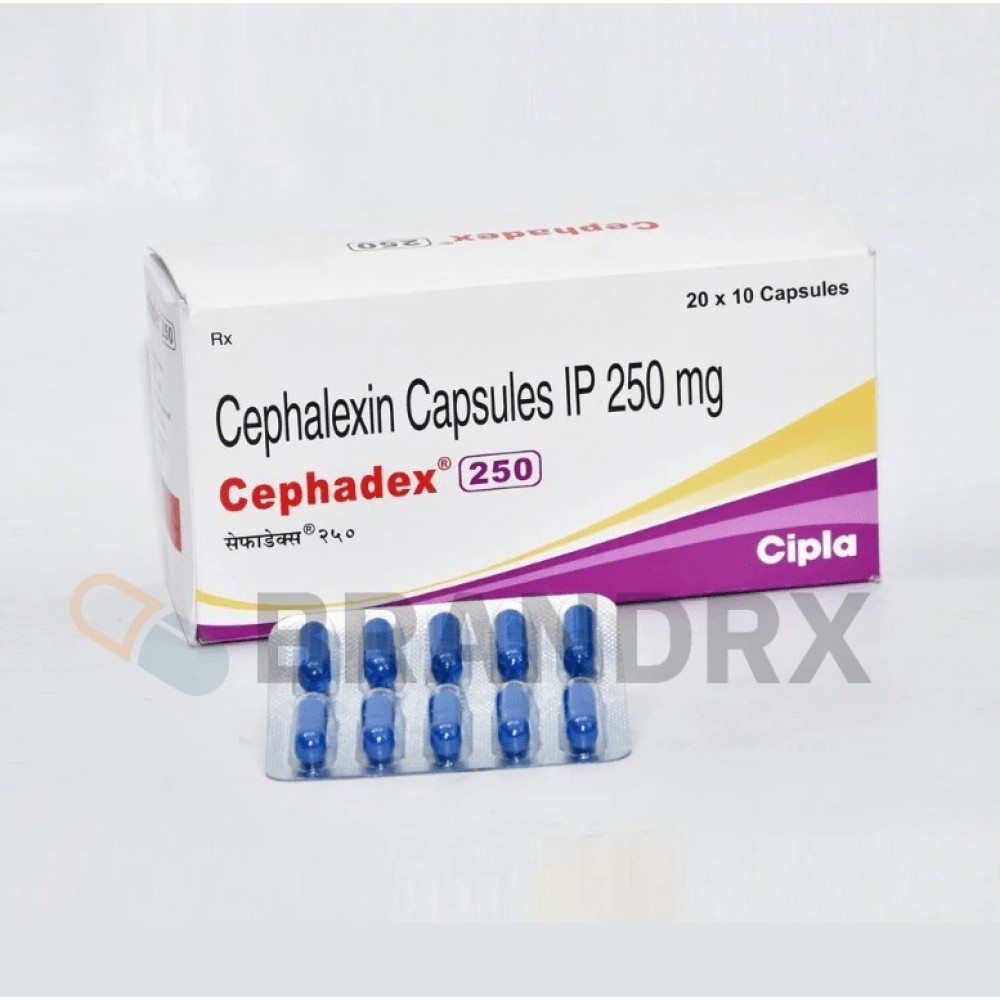
What Defines Cephadex 250 mg Cipla
Cephadex 250 mg Cipla is a highly effective antibiotic medication known for its broad spectrum of activity against various bacterial infections. Its active ingredient is Cephalexin, which belongs to the class of first-generation cephalosporins. This class of antibiotics is designed to disrupt the synthesis of bacterial cell walls, leading to the destruction of the bacteria. By inhibiting the enzymes responsible for cell wall construction, Cephadex 250 mg Cipla effectively eliminates harmful bacteria, which makes it a vital option in treating infections effectively.
The key characteristics of Cephadex 250 mg Cipla include its ability to target both Gram-positive and some Gram-negative bacteria. It is particularly effective against streptococci and staphylococci species, which commonly cause skin infections and respiratory disorders. The medication is available in capsule form, making it easy to administer and suitable for diverse patient populations. Furthermore, Cephadex is renowned for its relatively quick onset of action, allowing patients to experience symptom relief in a short period.
Available Forms and Variants
Cephadex is available in a variety of forms, making it accessible to different patient needs. The most common presentation is the 250 mg capsule, which is typically prescribed for treating mild to moderate bacterial infections such as respiratory tract infections, skin infections, and urinary tract infections. Additionally, Cephadex may also be found in other dosage forms, including 500 mg capsules and powdered formulations that can be reconstituted to create a liquid suspension for those who may have difficulty swallowing pills, such as children and the elderly.
This versatility in formulations allows healthcare providers to tailor treatment plans according to the specific requirements of their patients. Depending on the severity and location of the infection, physicians will select the most appropriate form and dosage to ensure effective treatment while minimizing potential side effects.
Key Differences Between Cephadex 250 mg Cipla and Other Substances
When comparing Cephadex 250 mg Cipla to other antibiotics, several critical differences emerge that underscore its efficacy and relevance. One of the primary distinctions lies in its specific action against particular bacterial strains. Many other antibiotics, such as penicillins or more broad-spectrum agents, may not effectively target the same range of bacteria that Cephadex does, particularly those causing skin and soft tissue infections.
Another key aspect is the safety profile and the potential for allergic reactions. Cephadex 250 mg Cipla is often preferred in various patient populations due to its lower incidence of side effects when compared to more powerful antibiotics that may cause gut dysbiosis or resistance issues. Users considering an antibiotic for bacterial infections should specifically consider Cephadex 250 mg Cipla for its targeted effectiveness, quicker symptom relief, and favorable safety profile, particularly when treating infections caused by susceptible strains.
Long-Term Effects and Considerations
The long-term effects of using Cephadex 250 mg Cipla largely revolve around its efficacy and the development of possible antibiotic resistance when used improperly. Patients are encouraged to complete their prescribed course even if symptoms subside before finishing the medication. This adherence helps to eliminate the bacteria fully and reduces the risk of developing resistant strains.
However, it is essential to recognize that not every patient can safely use Cephadex 250 mg Cipla. Contraindications include individuals who have demonstrated hypersensitivity to cephalosporin antibiotics, those with a history of severe allergies, or conditions like renal impairment that may affect drug elimination. Pregnant or nursing women should always consult healthcare providers before initiating treatment with any antibiotic. Additionally, minors must be evaluated carefully to ensure that the treatment aligns with their health considerations. It is advisable for patients with specific medical conditions to engage in detailed discussions with their healthcare professionals before commencing therapy.
Practical Advice for Using Cephadex 250 mg Cipla Correctly
When choosing or starting to use Cephadex 250 mg Cipla, patients should prioritize clear communication with their healthcare provider. It is vital to provide a comprehensive medical history, including any known allergies, and ongoing medications to avoid potential drug interactions. Medical professionals often schedule the appropriate dosage based on the severity and type of the infection, so adherence to this guidance is crucial.
Patients should take the medication at evenly spaced intervals to maintain consistent levels of the drug in the bloodstream, which is key to effective treatment. Additionally, consuming the medication with food can help improve absorption and reduce any gastrointestinal discomfort. If at any point the patient experiences unusual side effects or fails to see improvement in symptoms, they should reach out to their healthcare provider for reassessment. Ultimately, proper management and adherence to medical advice will ensure the effective utilization of Cephadex 250 mg Cipla in combating bacterial infections.
| Features | |
| Active substance | Cephalexin |
| Also known as | Cephalexin |
| Blood pressure | No significant impact |
| Chemical name | (6R,7R)-3-Methyl-7-[(R)-2-amino-2-(4-hydroxyphenyl)acetamido]-8-oxo-5-thia-1-azabicyclo[4.2.0]oct-2-ene-2-carboxylic acid |
| Dosage (medical) | Typically 250 mg to 500 mg every 6 hours or 500 mg every 12 hours, depending on the severity of the infection |
| Dosage (sports) | Not applicable |
| Effects | Effective against bacterial infections, particularly in skin, bone, and urinary tract infections |
| Formula | C16H17N3O4S |
| Half-life | Approximately 1 hour |
| Hepatotoxicity | Rare |
| Lab Test | No specific lab test influenced by this drug |
| Main action | Bactericidal, inhibits bacterial cell wall synthesis |
| Side effects | Diarrhea, nausea, vomiting, rash, and allergic reactions |
| Storage conditions | Store at room temperature, away from moisture and heat |
| Strength | 250mg |
| Substance class | Antibiotic, specifically a first-generation cephalosporin |
| Trade name | Keflex, others |
| Use in sports | Not typically used in sports, no performance-enhancing effects |
| Water Retention | No significant effect |
| Manufacturer | Cipla Ltd. |
| Packing | 10 caps/blister |
-
18.00€
| Brand: | Cipla |
|---|---|
| Product Code: | EU14207 |
| Availability: | Out of stock |