
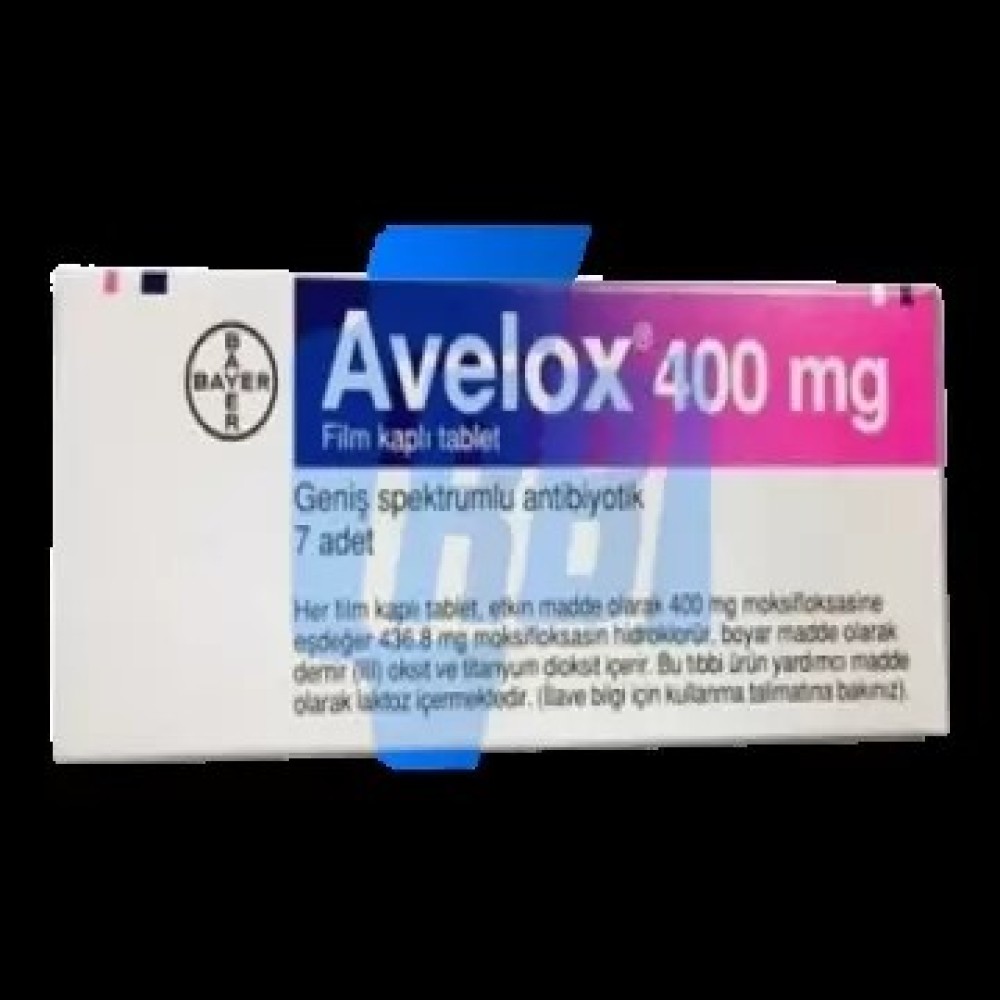
What Defines AVELOX 400 Bayer - Key Characteristics and Principles of Operation
AVELOX 400 Bayer is a powerful antibiotic medication primarily used for the treatment of various bacterial infections. Its active ingredient, moxifloxacin, belongs to the class of fluoroquinolones, which work by inhibiting bacterial DNA gyrase and topoisomerase IV, enzymes crucial for bacterial replication and repair. By disrupting these processes, AVELOX 400 Bayer effectively prevents bacteria from multiplying, thereby assisting the body’s immune system in eradicating the infection. One of the defining characteristics of AVELOX 400 Bayer is its broad-spectrum activity, which means it can target a wide variety of bacteria, making it a versatile option for healthcare professionals when treating infections. Additionally, AVELOX 400 Bayer provides the benefits of oral administration, making it a convenient alternative for patients who may have difficulty with intravenous therapies.
Available Presentation Forms of AVELOX 400 Bayer
AVELOX 400 Bayer is predominantly available in the form of oral tablets, each containing 400 mg of moxifloxacin. This dosage is designed to deliver an effective concentration of the active ingredient to combat infections while providing ease of use for patients. The tablets are typically coated for better swallowing and are designed to be taken once daily, irrespective of food intake, which adds to their convenience. The formulation is aimed at maximizing absorption in the gastrointestinal tract, thus ensuring that patients receive the full therapeutic benefits of the medication. Some presentations may include liquid formulations, but the oral tablets remain the standard choice for most users.
Main Differences of AVELOX 400 Bayer Compared to Other Approaches
When compared to alternative antibiotics, such as amoxicillin or tetracycline, AVELOX 400 Bayer stands out due to its broad-spectrum activity and its efficacy against strains of bacteria that exhibit resistance to other antibiotics. Many traditional antibiotics can be ineffective against resistant organisms, but moxifloxacin demonstrates a unique ability to overcome some of these challenges. Moreover, AVELOX 400 Bayer is frequently recommended due to its pharmacokinetic profile, allowing for once-daily dosing that ensures higher patient compliance. Users should consider AVELOX 400 Bayer not only for its effectiveness against a wide range of infections but also for its safety profile, as it is generally well-tolerated with not many common side effects found in other antibiotic classes. This makes it a relevant consideration in treatments where other antibiotics have failed or are contraindicated.
Long-Term Effects and Contraindications of AVELOX 400 Bayer
While AVELOX 400 Bayer has been shown to effectively treat various bacterial infections, it is essential for potential users to understand its contraindications and long-term effects. Due to its mode of action, AVELOX 400 Bayer may not be suitable for certain populations, including pregnant women, nursing mothers, and children under the age of 18, as the safety for these demographics has not been adequately established. Additionally, individuals with a history of tendon disorders or those taking certain medications that can prolong the QT interval should approach this medication with caution. Long-term use of fluoroquinolones, including AVELOX 400 Bayer, has also been associated with rare but serious side effects such as tendon rupture and potential joint issues, thus it is critical that users follow the prescribed duration of therapy and discuss any concerns with their healthcare providers.
Practical Advice on Choosing and Using AVELOX 400 Bayer
When considering AVELOX 400 Bayer for treatment, it is crucial for patients to consult with their healthcare provider to ensure it is the appropriate choice for their specific condition. Proper prescribing based on an individual’s medical history and current medications will help maximize safety and efficacy. Patients should take AVELOX 400 Bayer exactly as directed, without skipping doses, to ensure a consistent level of the antibiotic in their system. It is also advisable to stay hydrated and report any unexpected side effects, such as gastrointestinal disturbances or allergic reactions, to a healthcare professional promptly. Following these guidelines will enhance the effectiveness of the treatment and contribute to a better overall health outcome. In conclusion, AVELOX 400 Bayer presents a reliable option for tackling bacterial infections, making it a vital component in modern antibiotic therapy.
| Features | |
| Also known as | BAY 12-8039 |
| Blood pressure | No significant effects |
| Chemical name | 1-Cyclopropyl-7-[(S,S)-2,8-diazabicyclo[4.3.0]non-8-yl]-6-fluoro-8-methoxy-4-oxo-3-quinolinecarboxylic acid |
| Dosage (medical) | Typically 400 mg once daily |
| Dosage (sports) | Not applicable |
| Effects | Effective against a broad spectrum of gram-positive and gram-negative bacteria |
| Formula | C21H24FN3O4 |
| Half-life | Approximately 12 hours |
| Hepatotoxicity | Rare, mild liver enzyme elevations |
| Lab Test | Not specific |
| Main action | Antibacterial |
| Raw Material | Moksifloksasin |
| Side effects | Nausea, diarrhea, dizziness, QT prolongation, tendon rupture |
| Storage conditions | Store at room temperature, away from moisture and heat |
| Substance class | Fluoroquinolone antibiotic |
| Trade name | Avelox, Vigamox |
| Use in sports | Not typically used in sports |
| Water Retention | None |
| Manufacturer | Bayer |
| Packing | 1 x 7 tabs (400 mg/tab) |
-
24.00€
| Brand: | Bayer |
|---|---|
| Product Code: | EU1765 |
| Availability: | Out of stock |