Understanding the Role of Azithromycin in Treatment
Azithromycin is a widely prescribed antibiotic known for its efficacy in treating various bacterial infections. Many individuals mistakenly believe that antibiotics will cure viral infections such as the common cold or influenza. It is essential for users to understand that Azithromycin specifically targets bacteria, making it ineffective against viruses. Patients often seek Azithromycin for conditions like pneumonia, bronchitis, and certain sexually transmitted infections. However, full comprehension of when it is appropriate to use Azithromycin is crucial for its effectiveness. Inappropriate use not only can lead to ineffective treatment but may also contribute to antibiotic resistance, a growing concern in the medical community.
Another common misunderstanding relates to dosage and duration of treatment. Many users may not realize that completing the entire course of Azithromycin, even if symptoms improve, is vital to ensure the infection is completely eradicated. Failure to do so can lead to recurring infections. Additionally, some individuals may confuse the symptoms of various bacterial infections, leading to self-diagnosis and misuse of Azithromycin without proper medical guidance.
Key Parameters and Mechanisms of Azithromycin
The effectiveness of Azithromycin can be attributed to its mechanism of action as a macrolide antibiotic. Azithromycin works by inhibiting bacterial protein synthesis, which in turn prevents the growth and reproduction of bacteria. Understanding the pharmacokinetics, which includes how the drug is absorbed, distributed, metabolized, and excreted in the body, is crucial for comprehending its effectiveness. The half-life of Azithromycin allows for once-daily dosing, which improves patient adherence to the treatment regimen.
Additionally, user characteristics such as age, weight, kidney function, and other underlying health conditions significantly influence how Azithromycin works in individuals. Certain bacteria are also more susceptible to Azithromycin than others, which can affect treatment outcomes. This complexity highlights the importance of medical professionals assessing individuals based on a broad spectrum of factors before prescribing Azithromycin.
Comparative Insights on Antibiotic Categories
When comparing Azithromycin to other antibiotic categories, it becomes evident that different classes of antibiotics are tailored to combat specific types of bacteria. For instance, penicillins and cephalosporins are commonly used for various bacterial infections but have a different spectrum of action compared to Azithromycin. Tetracyclines and fluoroquinolones, on the other hand, may offer broader coverage against certain infections but also come with their limitations and potential side effects.
Antibiotic stewardship is a principle that applies across all antibiotic categories, emphasizing the responsible and appropriate use of these medications. In each category, understanding the specific bacteria that are targeted and their resistance patterns is essential. This principle of precision medicine supports the selection of the correct antibiotic based on sensitivity tests and clinical judgment, ultimately leading to better patient outcomes.
Considerations and Professional Guidance for Azithromycin
As with any medication, Azithromycin is not without its limitations and contraindications. It is essential for individuals to be aware of potential side effects, which can range from mild to severe. Some patients may experience gastrointestinal issues or allergic reactions. Those with a history of liver problems, certain heart conditions, or taking medications that interfere with Azithromycin's metabolism should consult their healthcare provider prior to starting treatment.
Professional consultation is critical not only for confirming the appropriateness of Azithromycin but also for directing patients on how to properly manage their treatment. Regular follow-ups may be necessary to monitor the effectiveness of the antibiotic and to assess for any adverse effects. This reinforces the importance of open communication between patients and healthcare providers regarding symptoms, experiences with the medication, and any changes in their health status.
Navigating Information About Azithromycin
Exploring the category of Azithromycin should be approached with an understanding of its significant role in antibiotic therapy. Users are encouraged to familiarize themselves with comprehensive resources that detail the medication's uses, benefits, and risks. This may include reading research articles, guidelines from health organizations, or reputable medical websites.
Additionally, patients should look at patient education materials provided by healthcare professionals, as they can give insights into expectations during treatment and signs that warrant prompt medical attention. Ultimately, navigating this category successfully involves understanding the intricacies of Azithromycin and making well-informed decisions in conjunction with healthcare providers.
Azithromycin in Deutschland preis - LegalSteroidsSale
| US Cipla Azee Online |
21.00€ |
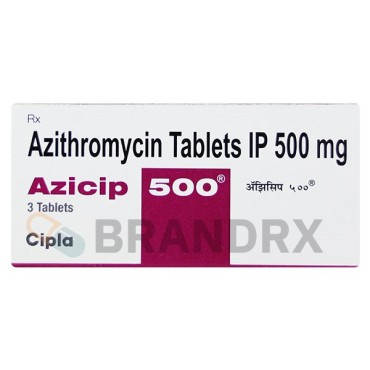
| US Cipla Azicip Online |
36.00€ |
| US Cipla Azee Online |
55.00€ |
| US Healing Pharma Azeetop Online |
36.00€ |
| US Cipla Azee Rediuse Online |
12.00€ |
Häufig gestellte Fragen (FAQ) - Azithromycin
Wir arbeiten nur mit vertrauenswürdigen Pharmaherstellern zusammen, zum Beispiel: Cipla, Alembic Pharmaceuticals Ltd., Healing Pharma.
Sie können Azithromycin in Budget-Optionen für nur 7.00€ bis zu Premium-Optionen für 70.00€ kaufen.
Im Jahr 2026 sind die beliebtesten Produkte im Bereich Azithromycin:
- US Cipla Azee Online
- US Cipla Azicip Online
- US Cipla Azee Online
- US Healing Pharma Azeetop Online
- US Cipla Azee Rediuse Online