Understanding Amoxicillin and Its Purpose
Amoxicillin is a widely used antibiotic that belongs to the penicillin group of medications. It is primarily prescribed to treat bacterial infections, including those affecting the ears, nose, throat, urinary tract, and skin. Many users turn to Amoxicillin with the goal of quickly alleviating symptoms associated with infections. However, common misunderstandings often arise regarding its effectiveness. A frequent misconception is that antibiotics like Amoxicillin can treat viral infections, such as the common cold or influenza; this is not the case. Antibiotics are solely effective against bacterial pathogens and are ineffective against viruses.
Additionally, some individuals may mistakenly believe that if they feel better after a few doses, they can stop taking Amoxicillin without completing the prescribed course. This can lead to antibiotic resistance, which has become a significant public health concern. Understanding the correct use of Amoxicillin helps users achieve the desired therapeutic outcomes while minimizing the potential for complications and resistance.
The Mechanism Behind Antibiotic Classes
The classification of antibiotics is crucial for understanding how medications like Amoxicillin function in the body. Antibiotics fall into various categories based on their mechanisms of action. Amoxicillin works by inhibiting the growth of bacteria by interfering with their cell wall synthesis. This action leads to the eventual death of the bacteria, effectively treating the infection.
When considering how Amoxicillin fits within the broader context of antibiotics, it's essential to recognize the distinctions between different types. Penicillins, such as Amoxicillin, are typically effective against certain gram-positive bacteria and some gram-negative bacteria. On the other hand, other antibiotic classes, like tetracyclines and macrolides, possess different mechanisms and spectrums of activity. Understanding these differences helps healthcare professionals choose the most appropriate treatment for specific infections while ensuring that users receive the most effective care possible.
Amoxicillin in Relation to Other Antibiotics
When comparing Amoxicillin to other antibiotics, it is vital to consider their respective uses and potential side effects. While Amoxicillin is an effective option for many bacterial infections, other antibiotics may be chosen based on factors such as the type of bacteria involved, patient allergies, and overall health conditions. For instance, some infections may require broader-spectrum antibiotics, while others can be treated effectively with narrow-spectrum options.
Moreover, the emergence of resistance patterns can influence antibiotic choice. Some bacteria have developed resistance to certain antibiotics, making them less effective. As a result, alternative treatments may become necessary. Additionally, the risk of side effects can vary by antibiotic; for instance, some individuals may tolerate one class better than another. Understanding these principles helps healthcare providers make informed decisions that enhance patient care while mitigating risks associated with inappropriate antibiotic use.
Considerations and Warnings Before Using Amoxicillin
Prior to using Amoxicillin, individuals should be aware of specific limitations and contraindications associated with its use. One crucial consideration is the potential for allergic reactions. Users with a known allergy to penicillin or other beta-lactam antibiotics should avoid Amoxicillin, as it can lead to severe allergic reactions, including anaphylaxis.
Additionally, Amoxicillin is not suitable for everyone. Those with certain medical conditions, including kidney disease or liver dysfunction, may require dosage adjustments or alternative treatments. Individuals should also inform their healthcare providers of any other medications they are taking, as drug interactions can occur. Furthermore, consulting a healthcare professional is essential before starting Amoxicillin to ensure it is the right choice for the specific infection being treated and to receive guidance on potential side effects and necessary monitoring during treatment.
Navigating the Amoxicillin Category Effectively
When exploring the Amoxicillin category, users are encouraged to take advantage of the various resources available for effective navigation. The category page typically includes detailed descriptions of Amoxicillin, including its uses, dosage forms, potential side effects, and safety information. Familiarizing oneself with these elements can help users make informed decisions about their treatment options.
Moreover, this category page may provide access to patient education materials, which can enhance understanding of how to use Amoxicillin correctly and safely. Users can often find articles, FAQs, and community forums that relate to Amoxicillin and broader antibiotic topics, offering further insights and shared experiences.
By approaching the Amoxicillin category with clarity about its implications and through understanding its proper use, individuals can better navigate their healthcare journey, leading to more effective treatment outcomes.
Amoxicillin in Deutschland preis - LegalSteroidsSale
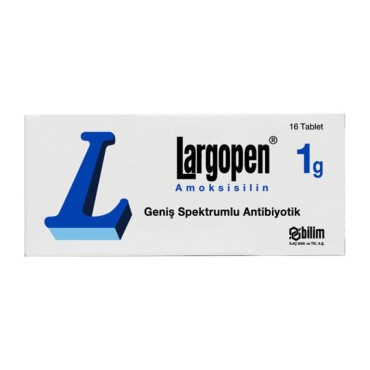
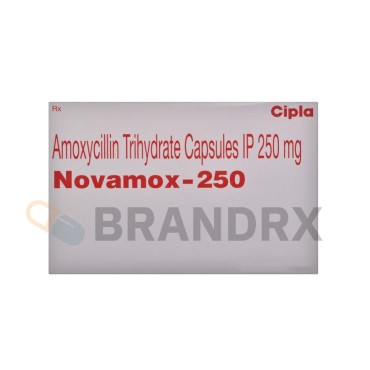
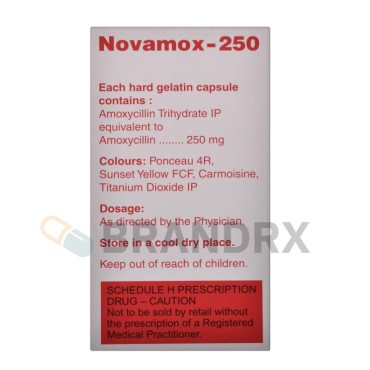
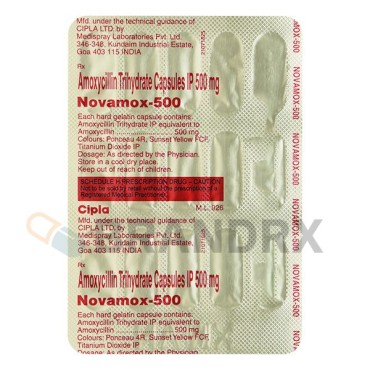
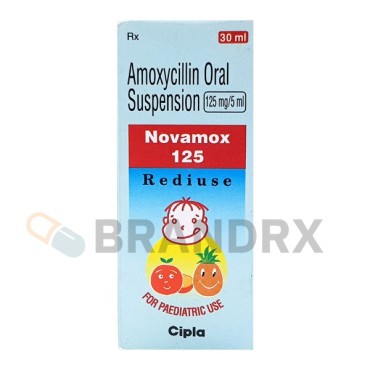
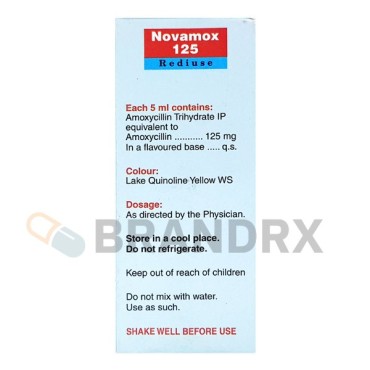
| US Cipla Novamox Online |
19.00€ |
| US Bilim Largopen Online |
14.00€ |
| US Bilim Largopen Online |
21.00€ |
| US Deus Medical Winimed Susp 50 Online |
64.00€ |
| US Kalpa Pharmaceuticals Aromaxyl Online |
34.00€ |
Häufig gestellte Fragen (FAQ) - Amoxicillin
Wir arbeiten nur mit vertrauenswürdigen Pharmaherstellern zusammen, zum Beispiel: Bilim, Deus Medical, Kalpa Pharmaceuticals.
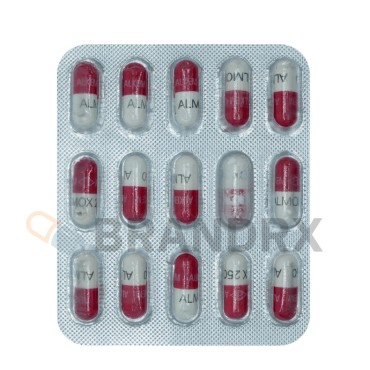
Sie können Amoxicillin in Budget-Optionen für nur 10.00€ bis zu Premium-Optionen für 64.00€ kaufen.
Im Jahr 2026 sind die beliebtesten Produkte im Bereich Amoxicillin:
- US Cipla Novamox Online
- US Bilim Largopen Online
- US Deus Medical Winimed Susp 50 Online
- US Kalpa Pharmaceuticals Aromaxyl Online