
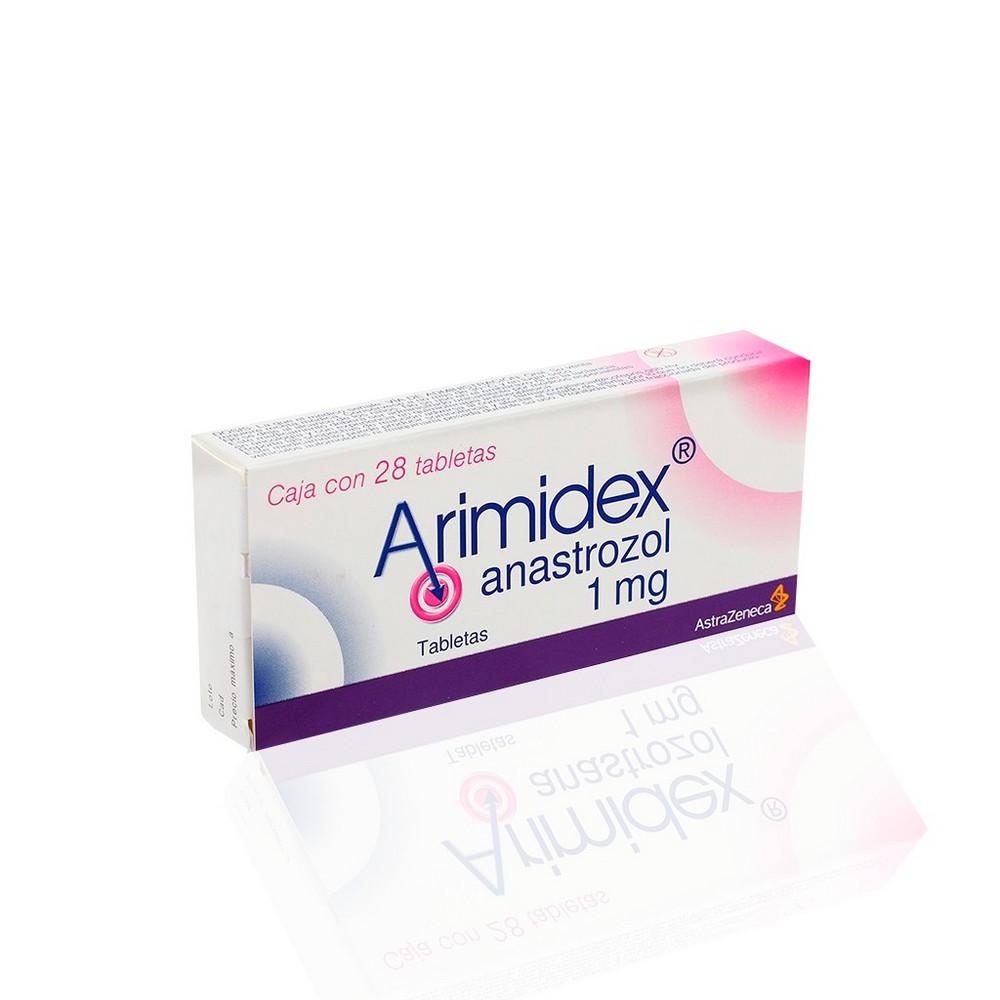
Understanding Armidex 1 mg AstraZeneca
Armidex 1 mg AstraZeneca is a prescription medication primarily used in the treatment of hormone receptor-positive breast cancer in postmenopausal women. This drug belongs to a class known as aromatase inhibitors, which work by inhibiting the aromatase enzyme. This enzyme is crucial in the conversion of androgens into estrogens, the hormones that can facilitate the growth of certain types of breast tumors. By reducing estrogen levels in the body, Armidex effectively slows or stops the growth of these cancer cells. Key characteristics of this pharmaceutical include its potency in lowering estrogen levels, its specific usage for certain types of breast cancer, and its significance in personalized cancer treatment plans.
Forms and Availability of Aromatase Inhibitors
While Armidex 1 mg AstraZeneca is available in tablet form, it's essential to note that aromatase inhibitors are generally available in various formats. Other common forms include Anastrozole, Letrozole, and Exemestane, each of which may come in tablet or capsule forms. The choice between these medications may depend on numerous factors, including the specific characteristics of the cancer being treated, the patient's overall health, and their medical history. Each medication works under similar principles but may differ in chemical composition and efficacy among individuals.
Why Choose Armidex 1 mg AstraZeneca?
When comparing Armidex 1 mg AstraZeneca to other related substances, one notable feature is its track record and extensive clinical research backing its effectiveness. Unlike some alternatives, which may be less targeted, Armidex specifically focuses on lowering estrogen to combat hormone receptor-positive breast cancer. Additionally, patients using Armidex often report fewer side effects related to bone health and cardiovascular risks when compared to older treatments. Choosing Armidex may lead to enhanced compliance with treatment regimens due to its dosing schedule and ease of use, making it an important consideration for patients and oncologists alike in the fight against breast cancer.
Long-Term Effects and Considerations
The long-term use of Armidex 1 mg AstraZeneca can lead to sustained reductions in estrogen levels, which is crucial for managing conditions like hormone receptor-positive breast cancer. However, it's important for patients to be aware of certain contraindications. For instance, Armidex is not recommended for use in premenopausal women, pregnant women, or those who are breastfeeding, as it may adversely affect the fetus or infant. Additionally, patients with a history of osteoporosis or cardiovascular conditions should discuss their medical history with their healthcare provider before beginning treatment, as certain side effects such as bone density loss and possible cardiovascular implications can arise.
How to Use Armidex 1 mg AstraZeneca Correctly
When considering the use of Armidex 1 mg AstraZeneca, patients should consult with their healthcare provider to develop a comprehensive treatment plan tailored to their individual needs. It is crucial to follow the prescribed dosing schedule, typically taken once daily with or without food, to ensure optimal therapeutic efficacy. Regular monitoring through follow-up appointments will help assess the medication's effectiveness and manage any potential side effects. Patients should not hesitate to discuss any concerns or side effects experienced during treatment with their healthcare provider. Proper hydration, a balanced diet rich in calcium and vitamin D, and routine exercise may also support bone health and overall well-being during the treatment period.
| Features | |
| Active substance | Anastrozol |
| Also known as | Anastrol, Anastrozolo |
| Blood pressure | Can cause changes in blood pressure, monitor regularly |
| Chemical name | 2,2'-(5-(1H-1,2,4-triazol-1-ylmethyl)-1,3-phenylene)bis(2-methylpropanenitrile) |
| Dosage (medical) | 1 mg once daily |
| Dosage (sports) | Not officially recommended, varies widely, typically 0.5 mg to 1 mg every other day |
| Effects | Reduces estrogen levels, increases testosterone levels |
| Formula | C17H19N5 |
| Half-life | 46.8 hours |
| Hepatotoxicity | Low, rare cases of liver enzyme elevations |
| Lab Test | Monitors estrogen levels and liver function |
| Main action | Inhibits enzyme aromatase, reducing estrogen production |
| Side effects | Hot flashes, joint stiffness or pain, weakness, sore throat, depression, nausea, and vomiting |
| Storage conditions | Store at room temperature away from moisture and heat |
| Substance class | Aromatase inhibitor |
| Trade name | Arimidex |
| Use in sports | Used to control estrogen levels and prevent gynecomastia in anabolic steroid users |
| Water Retention | Reduces water retention |
| Active ingredient, mg | 1 |
| Release form | Pills |
| 1 Pill, mg | 1 |
| Blister, pills | 2, 14 |
| Manufacturer | AstraZeneca |
| Packing | Blister (14 Pills), Package (2 blisters) |
-
91.00€
| Brand: | AstraZeneca |
|---|---|
| Product Code: | ASZ-PK-1122 |
| Availability: | In stock |